

This post was originally published on this site.
Restoring consumer confidence and reducing the cost of doing business emerged as key priorities for fashion industry leaders at last week’s TheIndustry.fashion Summit.
With Chancellor John Healey due to deliver the Autumn Budget next Wednesday, 28 October, we asked summit speakers, including retail expert Mary Portas, Superdry founder and CEO Julian Dunkerton, Jigsaw Managing Director Tikki Godley and H&M UK and Ireland Managing Director Karen O’Rourke, what measures they would like to see introduced.
Their calls focused on stimulating consumer spending, easing employment costs, providing business rates relief and reinstating VAT-free shopping for international visitors.
A poll of summit attendees echoed these priorities, with reducing employment costs emerging as the most popular individual measure, selected by 35% of respondents. Business rates relief and the reinstatement of VAT-free shopping for international visitors each received 17% of the vote, while a further 30% called for all three measures.
Retailers call for a Budget that gets shoppers spending
Asked what she wanted from the Budget, Tikki Godley, Managing Director of Jigsaw, joked, “How much time have you got…?” before highlighting consumer confidence as a key factor shaping retail performance. “Retail is shaped by the entire economic climate,” Godley said. “The cost of living is not starting to come down and it won’t make much difference unless people feel confident about spending money.”
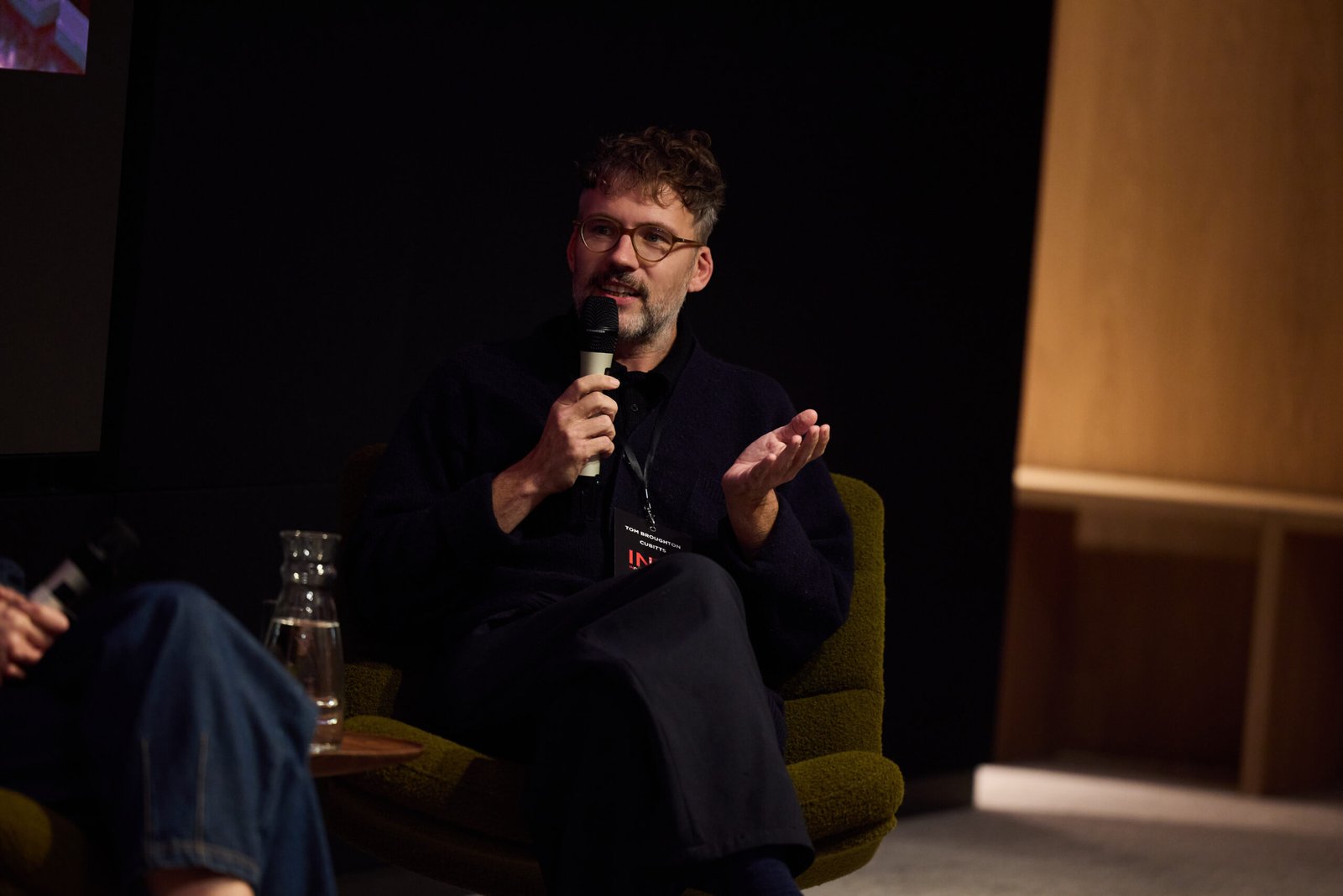
Tom Broughton
Cubitts founder and CEO Tom Broughton emphasised that uncertainty is translating into greater caution among shoppers. He described a market in which customers are holding back rather than committing to purchases. “It’s really tough. The consumer market is challenging and there’s so much uncertainty. When people feel uncertain, they tend to hunker down and stop spending money,” he said.
Albaray also identified consumer confidence as a key consideration ahead of the Budget. Karen Peacock, Chief Creative Officer, said measures that help households feel more financially secure could support consumer spending. “Consumer confidence is key. Anything in the Budget that boosts confidence can help people feel more secure and encourage them to spend,” she said, when asked what she hoped to see in the Budget.
Rise & Fall co-founder Will Coulton similarly emphasised the relationship between economic conditions and retail spending. “Obviously, if the economy is strong, then retail does well. That’s the main thing. We need people and businesses to have confidence so that they can invest and employ people. Those people, in turn, need to have confidence that they can earn money and enjoy good lives, and then spend some of that money.”
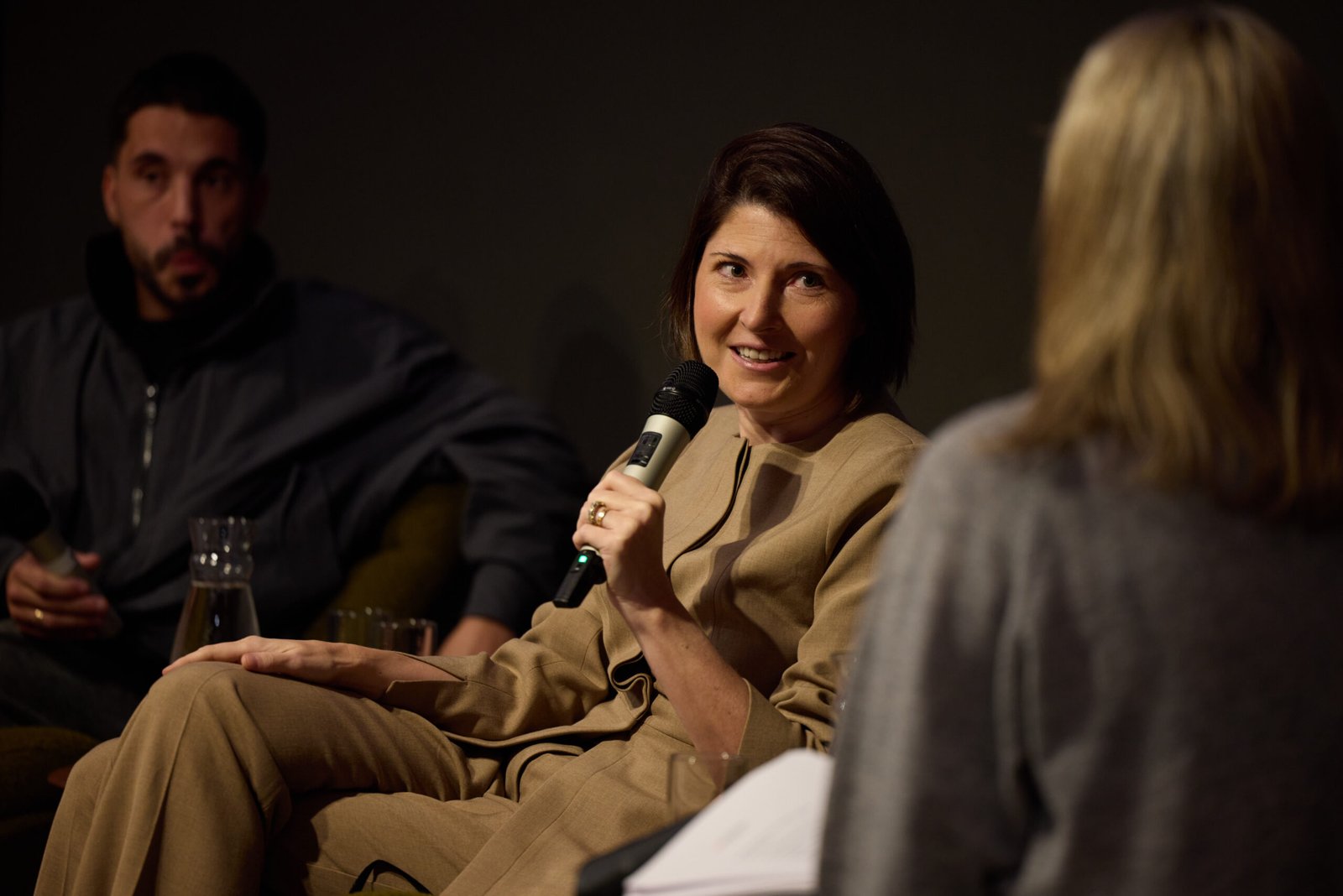
Ginny Seymour
In the same session, ALIGNE CEO Ginny Seymour highlighted a contrast between the brand’s UK and US sales, pointing to stronger growth in the US alongside a greater willingness among consumers to spend. “There’s not a lot of confidence in the UK economy right now and I can definitely see that reflected in sales. Meanwhile, our US business is growing at a much faster rate because there’s more confidence to shop,” she revealed.
Recent figures from the BRC-Opinium Consumer Sentiment Monitor reflect this cautious outlook. Expectations for the economy over the following three months fell from -28 in August to -34 in September. Expectations for personal finances also declined, from -9 to -15, while expectations for retail spending eased from +8 to +5.
Together, the retailers’ comments and consumer sentiment data highlight the importance of consumer confidence in driving spending, with retailers looking to the Budget for measures that could ease pressure on households and strengthen the wider economy.
Extra costs reach the customer
Retailers are also urging the Government to address rising employment costs in the Budget, arguing that higher wage bills and employer contributions can affect pricing, recruitment and consumer confidence.
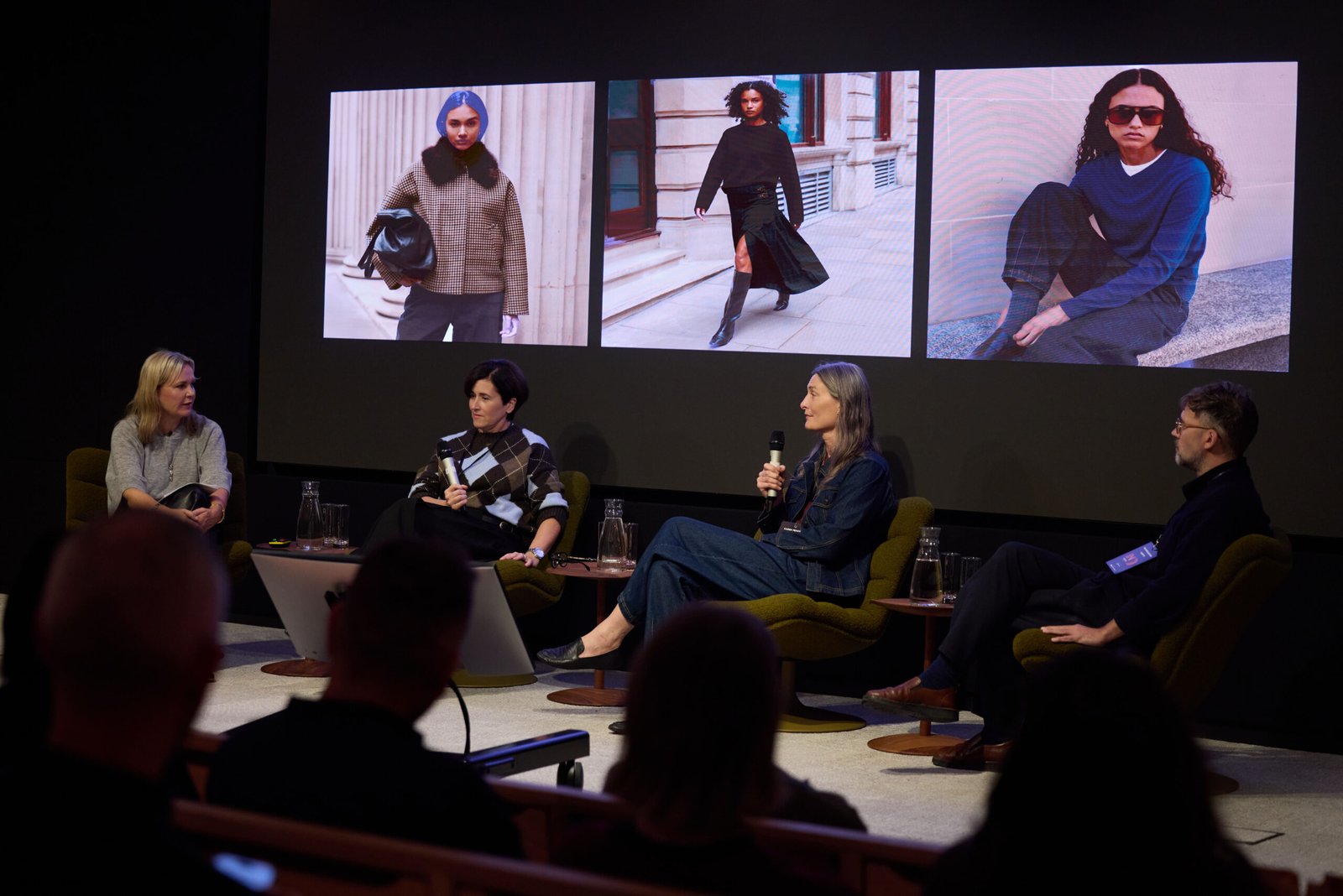
Kirstie Di Stazio, Karen Peacock and Tom Broughton
“Adding more costs to businesses only ends up hurting consumers. Businesses can absorb only so much of these additional costs before they have to pass them on to customers,” Kirstie Di Stazio, Chief Commercial Officer at Albaray, said. “This affects consumer confidence, which then wanes, leading people to cut back on spending.”
Reflecting on the impact of the previous Budget, she added: “This time last year was terrible for us. We saw sales drop significantly.”
It followed a series of increases in employment costs. In April 2025, employer National Insurance contributions rose from 13.8% to 15%, while the threshold at which employers begin paying contributions fell from £9,100 to £5,000. The National Living Wage subsequently increased to £12.71 an hour in April 2026.
“National Insurance was difficult for us, with small businesses facing significant financial pressure,” added Broughton.
Retail expert Mary Portas similarly pointed to the pressure on smaller operators, saying: “Smaller businesses have been particularly affected by higher National Insurance rates and the rising minimum wage.”
The British Retail Consortium (BRC) estimates that these changes added £6.5 billion to retail employment costs over two years. Its figures show average retail employment stood at 2.78 million in the year to the second quarter of 2026, down 62,000 on the previous year. The trade body is calling for the employer National Insurance threshold to rise to £6,000.
The wider labour market is also showing signs of cooling. Office for National Statistics figures show job vacancies fell to 691,000 in the three months to September, their lowest level in five years. Higher employment costs are among the factors facing smaller businesses as they review recruitment and staffing requirements.
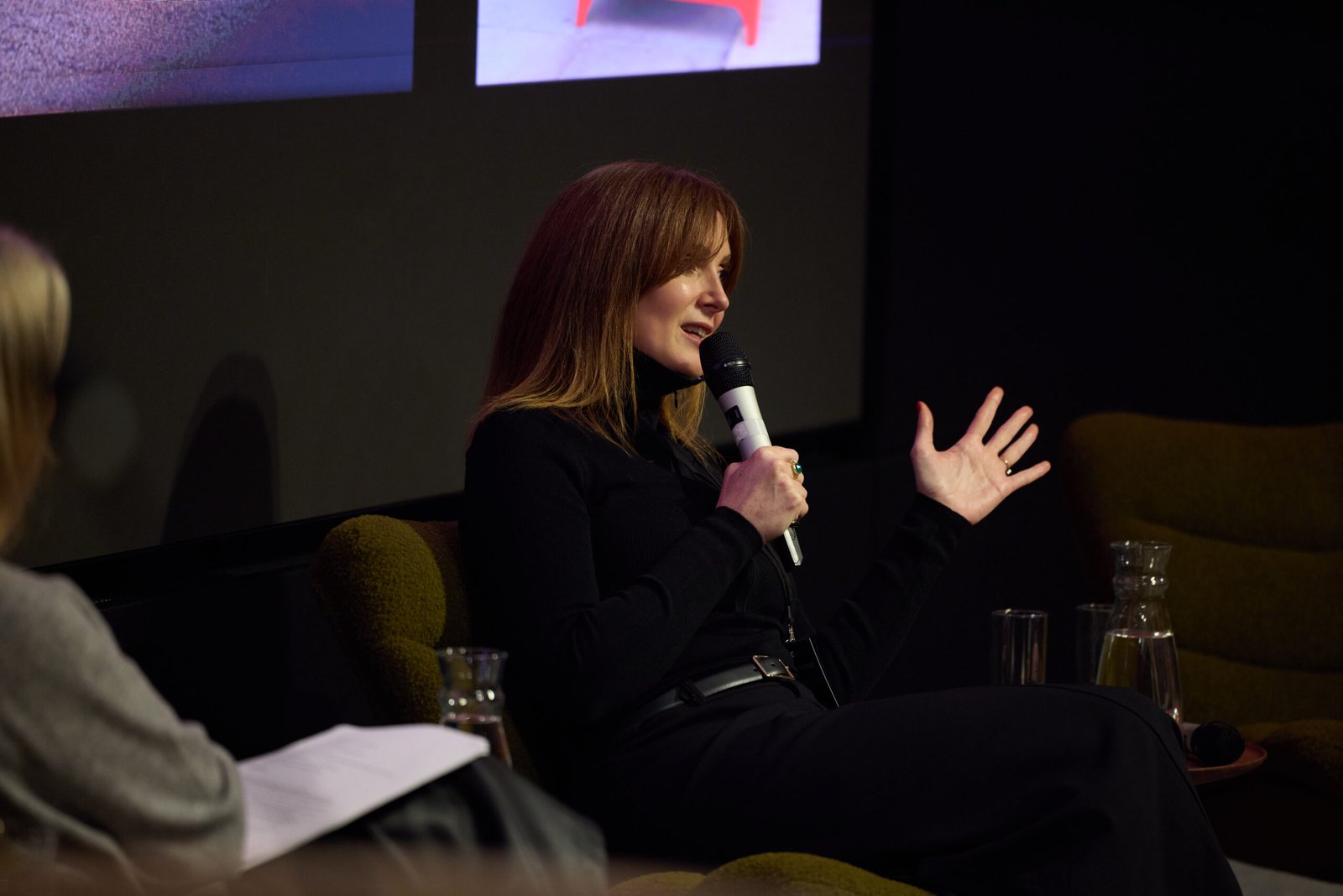
Karen O’Rourke
Karen O’Rourke, Managing Director of H&M UK and Ireland, highlighted the importance of policies that support employers and their workforces. “Fashion retail is one of the biggest employers in the UK. H&M has 7,000 employees in the UK, so any policy that supports us in continuing to invest in our people is really beneficial.”
Godley also raised concerns about the availability of flexible staffing arrangements. “It’s become very difficult to get casual labour now. I completely agree with protecting workers’ rights, but it needs to be easier for businesses to bring in casual staff when they need them. This will become increasingly challenging with the changes around zero-hours contracts.”
The zero-hours measures in the Employment Rights Act 2025 are not yet in force. A Government consultation, which closed in August, proposed giving qualifying workers three key protections:
- An offer of guaranteed hours.
- Reasonable notice of shifts.
- Payment when shifts are cancelled at short notice.
Retailers push for investment and business rates relief
Revitalising high streets is another priority for fashion retailers ahead of the Budget, with industry leaders highlighting the importance of reducing operating costs and supporting investment in town centres. They argue that a combination of measures to help businesses and encourage shoppers to visit could support the long-term vitality of high streets.
“We need to get our high streets thriving again, creating places where people want to go and spend money,” said Di Stazio.
O’Rourke later shared that H&M wants to continue investing across high streets, retail parks and shopping centres, but noted that policy changes could affect future investment decisions.
“It’s important for us as a brand, but it’s also important for the economy and for jobs. It’s important for the other businesses we work alongside. Even on a societal level, investing in our high streets is so important,” she said. “But with certain policies coming in, it can become harder to invest in more locations.”
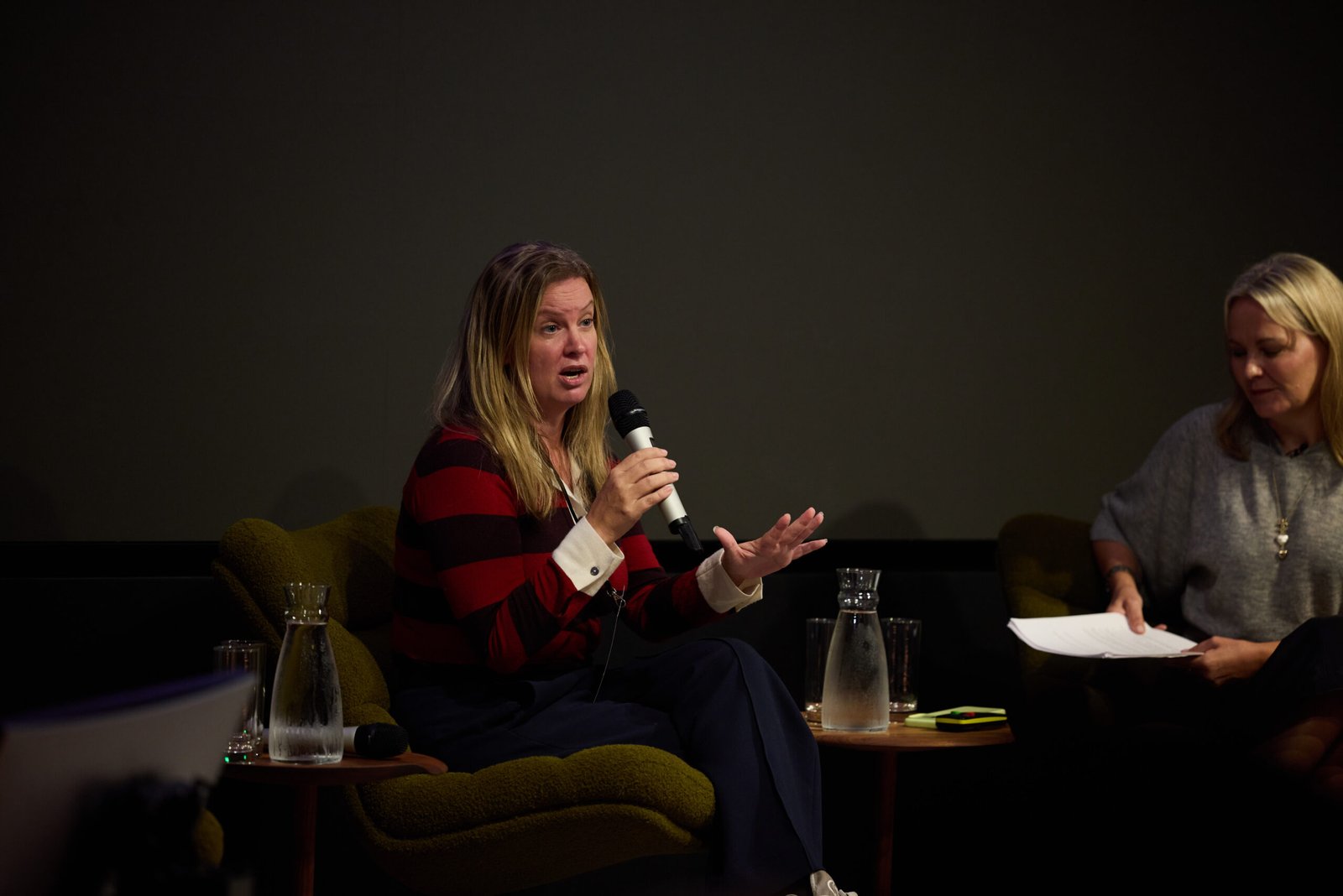
Tikki Godley
Business rates were also identified as an area for potential reform, with Godley stating that “business rates are another huge issue and I would like to see changes there”. She also highlighted the role of smaller costs in influencing footfall and consumer behaviour.
“Then there are the smaller costs, such as paying for parking. These may seem like little things, but they can influence whether someone decides to visit their local town and have a look around. These small changes add up and can make a much bigger difference to the overall success of our high streets and town centres,” she explained.
In England, five business rates multipliers were introduced this year, ranging from 38.2p for smaller retail, hospitality and leisure properties to 50.8p for properties with a rateable value of £500,000 or more. A 20% reduction for pubs and live music venues is due to take effect in April 2027, while wider changes to Small Business Rates Relief are expected to be announced in the Budget.
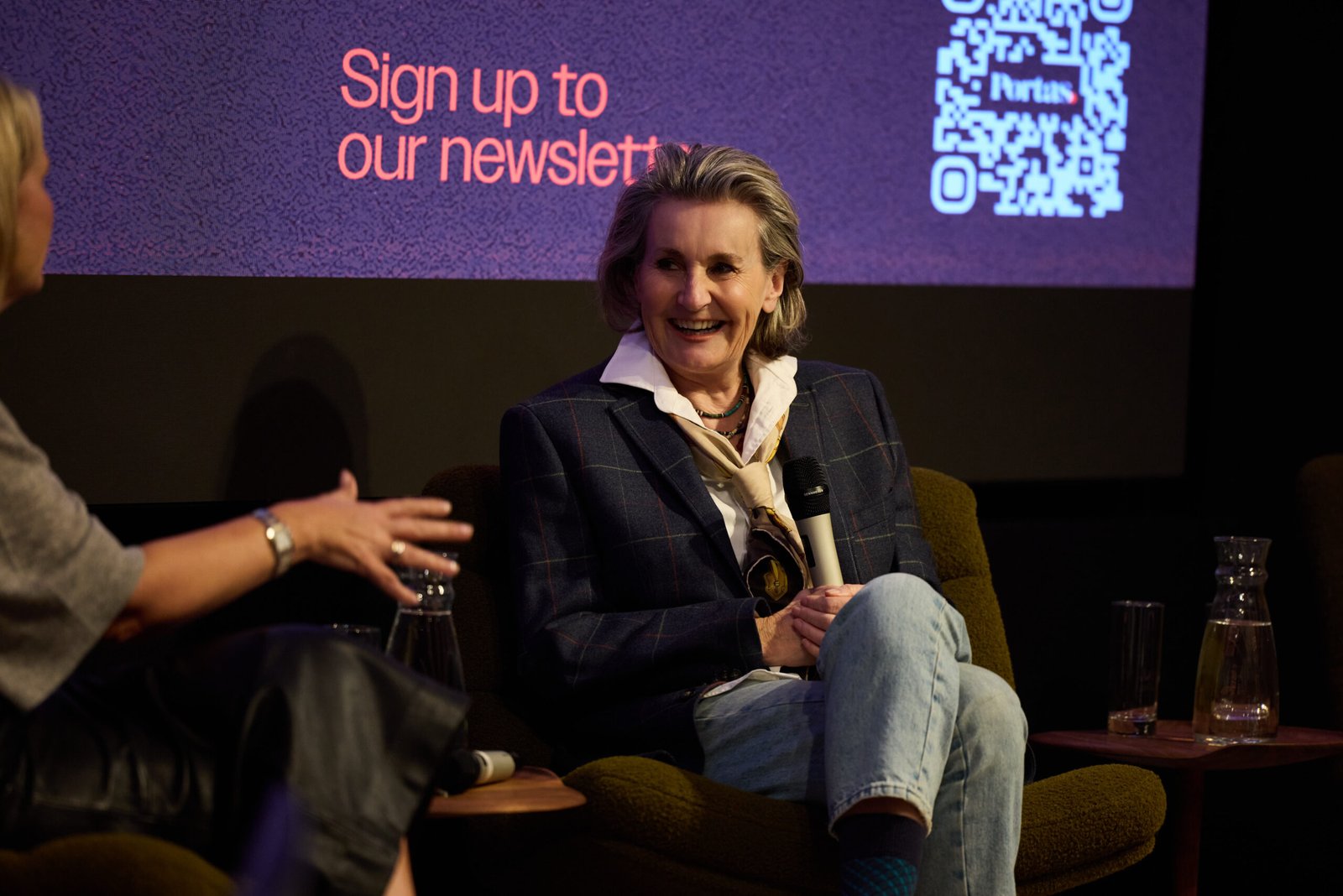
Mary Portas
Portas said: “I just hope [the Government] realises that much of the regeneration of our high streets will depend on smaller businesses, new ideas and new concepts, and on giving them opportunities.”
Tax-free shopping “absolutely key”
The VAT Retail Export Scheme, which ended in Great Britain on 1 January 2021, has faced repeated calls for reinstatement. Godley supports its return, highlighting the potential benefits for retailers and the wider visitor economy.
“Tax-free shopping is absolutely key for brands with a bricks-and-mortar presence, whether in major cities or market towns. Foreign visitors are going to Paris, Munich and elsewhere, taking their money and spending it outside the UK.
“And it’s not just about London,” she stressed, referencing cities, towns and high streets across the country that are affected. She added that reinstating tax-free shopping could also support other industries that are struggling, including restaurants, bars and hotels, by attracting more visitors and tourists.
Fewer barriers to EU trade
Superdry founder and CEO Julian Dunkerton raised concerns about the economic impact of Brexit, arguing that the UK’s departure from the EU had increased costs and created barriers for businesses.
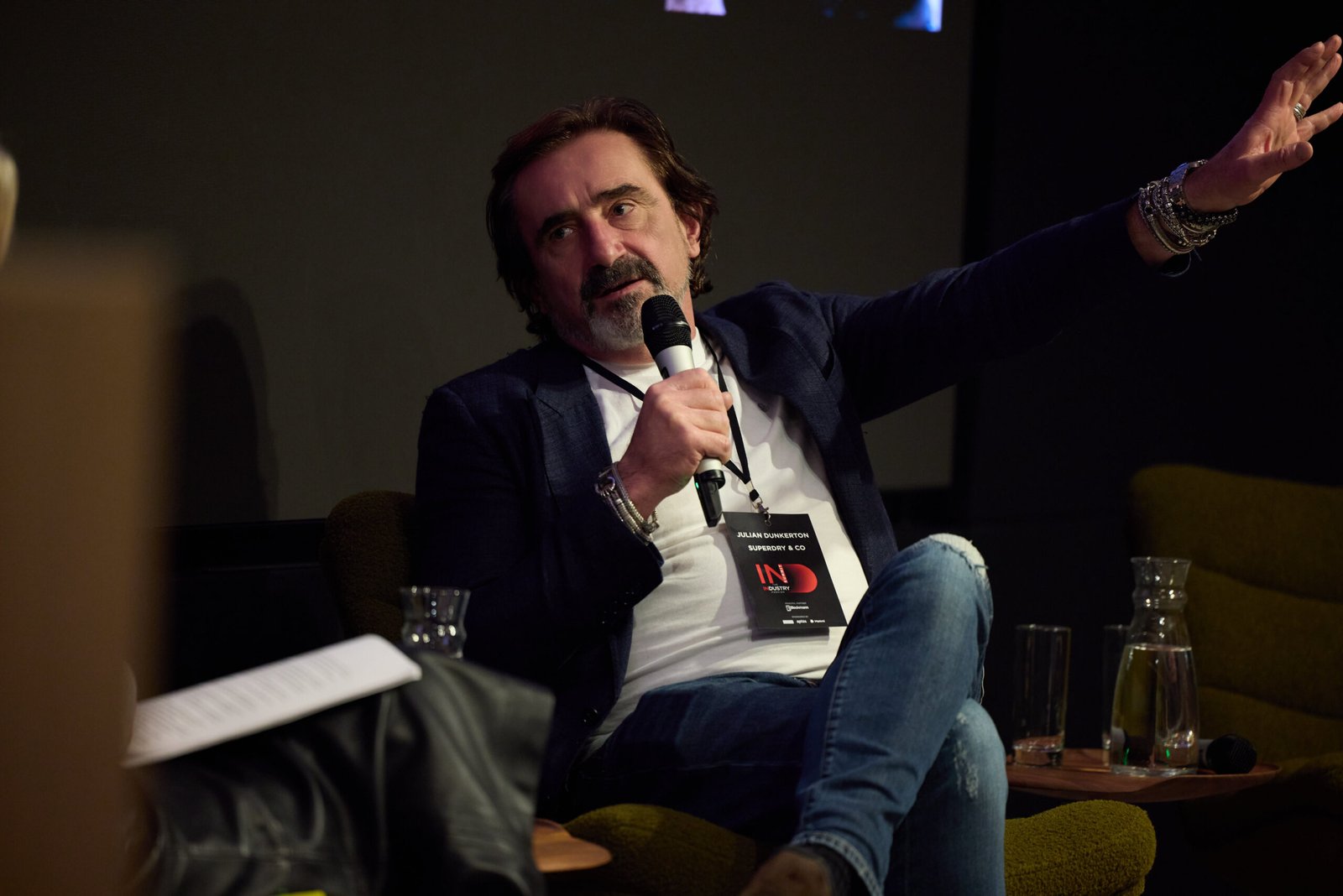
Julian Dunkerton
“We should’ve never left the EU,” he said. “The hard financial facts aren’t being communicated clearly. We’re being held back significantly and it’s costing us a huge amount of money.”
“This affects everything, from town centres to VAT and the hospitality sector. Access to the single market should be the minimum requirement,” he added. “There’s a lack of understanding and, more importantly, a lack of vision.”
Scott Shashua, owner and Managing Director of The Couture Club, echoed Dunkerton’s concerns about the implications of Brexit for businesses trading in the EU. With all of the brand’s stock currently held in the UK, Shashua said he was considering whether to establish a separate EU operation to manage costs and logistics.
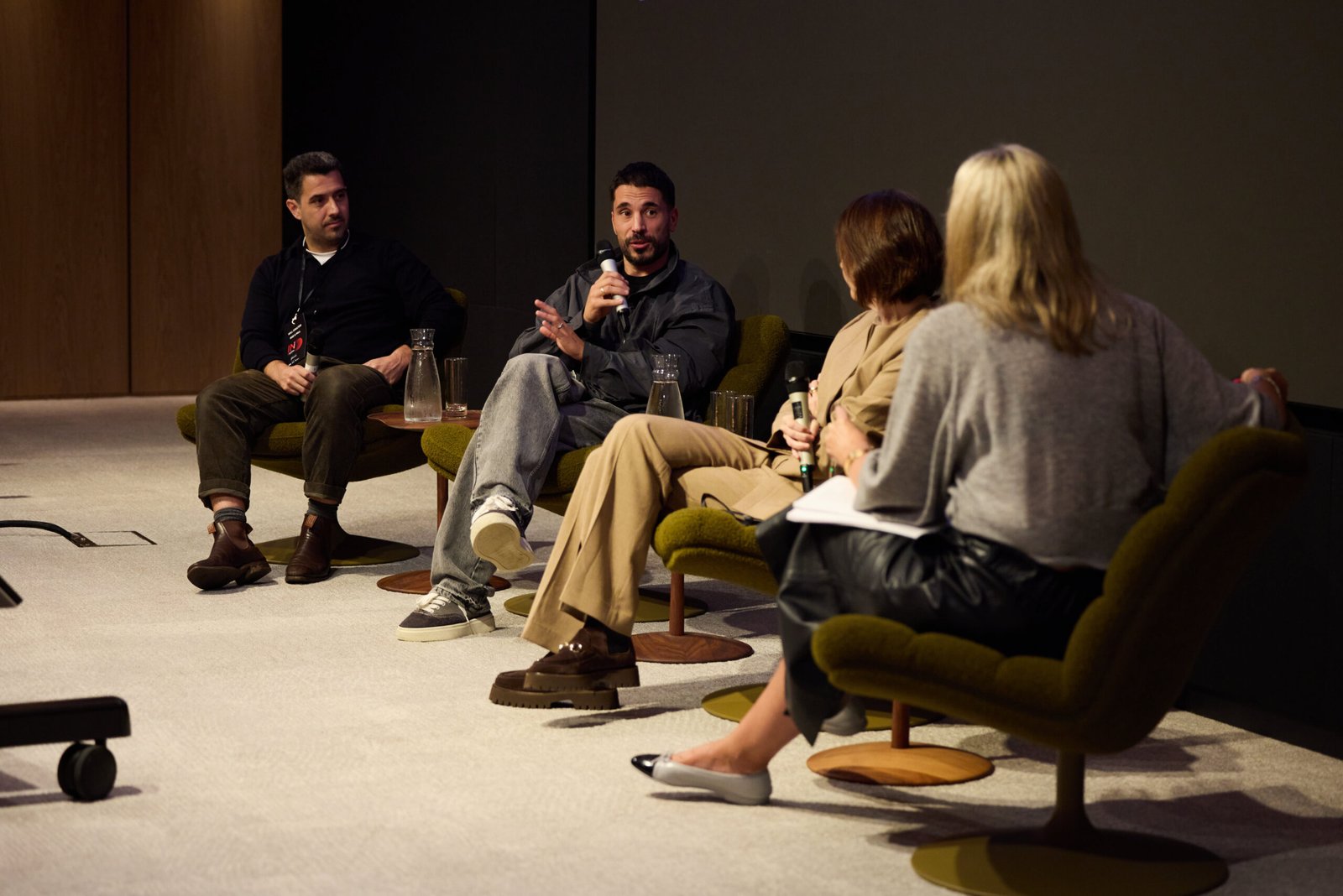
Will Coulton, Scott Shashua and Ginny Seymour
“We’re generating decent revenue in the EU, but not enough to justify having two different stockpiles and three press offices, because I think the cost of that would outweigh the duty we’d save,” he said.
“There’ll be a tipping point in revenue when we decide to go for it, and then we’ll probably say, ‘Let’s take the leap.’ But it’s not a leap we should ever have had to take in the first place.”