

This post was originally published on this site.
Founded in 2014, Stockholm-based premium footwear brand CQP was born from a passion for long-lasting design and a desire to create outstanding products of the highest quality by former investment banker Adam Lewenhaupt.
Known for its understated, unique and carefully constructed sneakers, CQP is stocked by a curated set of independent retailers worldwide. Every pair is designed in Stockholm and produced in Portugal, where approximately 80% of the production process is completed by hand. Each model undergoes a development cycle that typically spans several months and sometimes years before entering production, with a strong focus on materials, shape and “graceful ageing”.
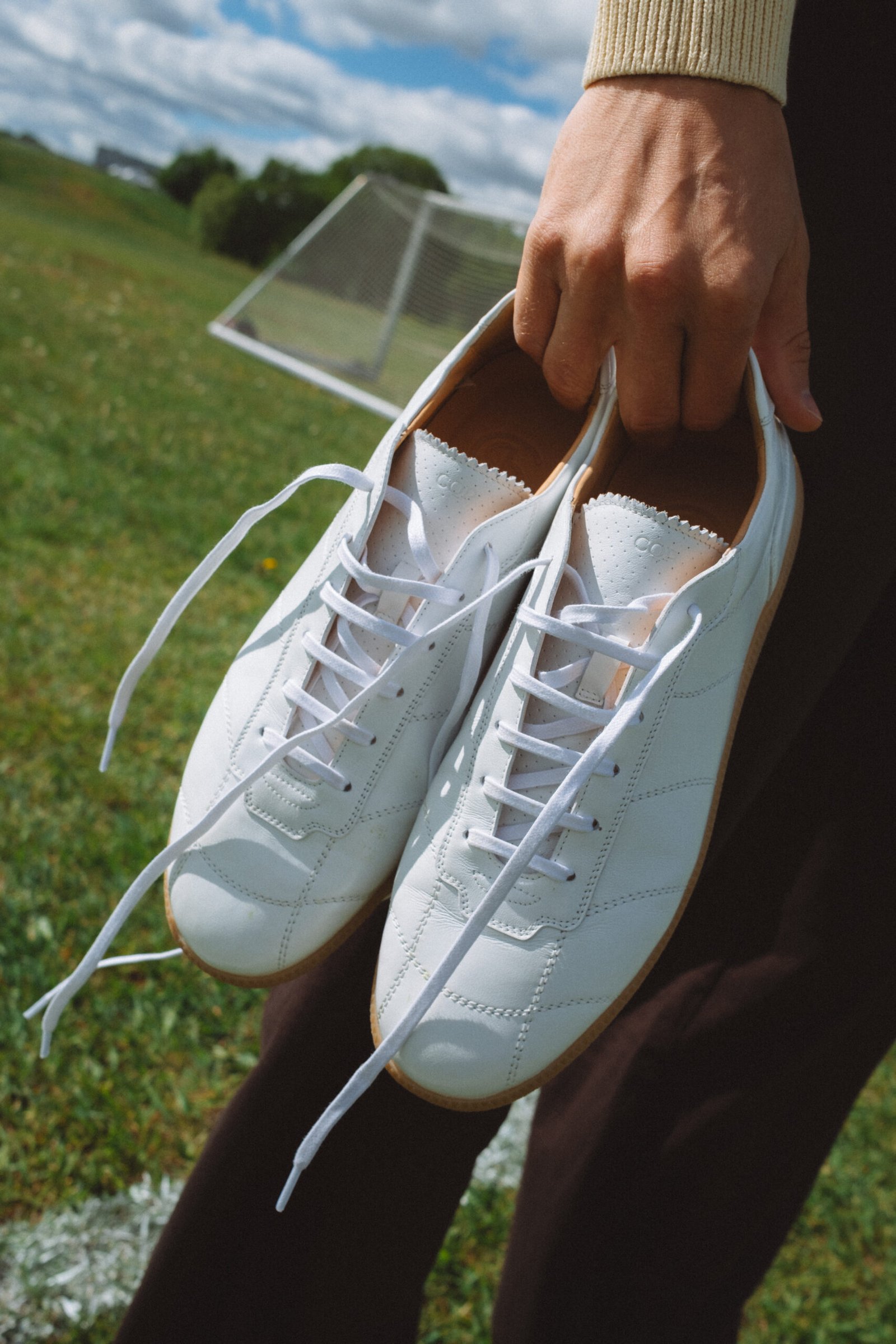
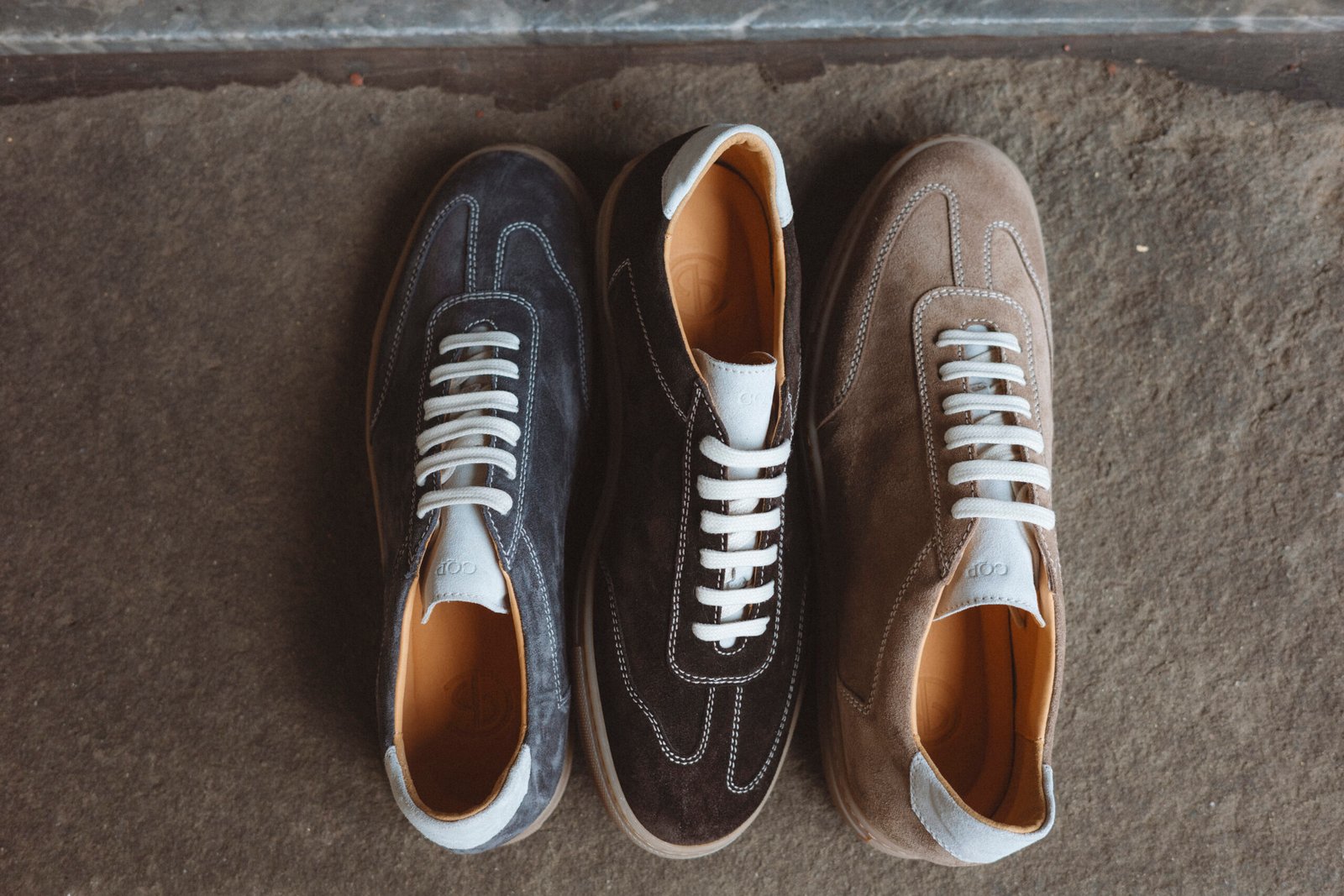
Just in time for the start of the FIFA World Cup, last month CQP launched an all-new ultra-sleek sneaker called the ‘Stillo’, inspired by a pair of Lewenhaupt’s own vintage 80s football boots and described as “a tribute to the beautiful game”. He tells us all about CQP’s “handmade sneakers without compromise” and his journey so far.
What is your background prior to founding CQP and how has that shaped what you do now?
Before founding the company, I worked in various finance roles, from advisory to investing, but I longed for something different. My background definitely helped me in numerous ways, not least by helping me stay on top of margins and company financials.
You clearly had an interest in fashion when you were in finance, but why select footwear as a category?
Yes, fashion has been an interest of mine, but perhaps even more so design and style in general. Personally, shoes and sneakers have been a special interest of mine ever since I was a kid dreaming of my first pair of Air Jordans. There is hardly any product category with the same ability to define an outfit as shoes – they can help their wearer dress up or dress down, and they signal a lot about the person. So, shoes are important and defining, which is probably why they have always interested me and what led me to want to create my own.
What were your first ever products for CQP when you launched it in 2014, and where did you sell them?
The first product launched was a model called ‘Tarmac’. It was a single style in four colours and it took us almost a year to launch a second all-new design. We started out selling them solely through our website and a small store in Stockholm.
What are the most important things to consider when designing, creating and selling your footwear?
It comes down to a few very important things: to never copy and always create our own take on whatever product we choose, and to be very mindful of details and quality. In terms of selling, I find that if we ask people what they want, we can get misleading answers, so it’s our job to try and anticipate what the demand will be and for what. We are ‘product first’. If we create something great, then the distribution will follow.
What is the brand’s unique selling point?
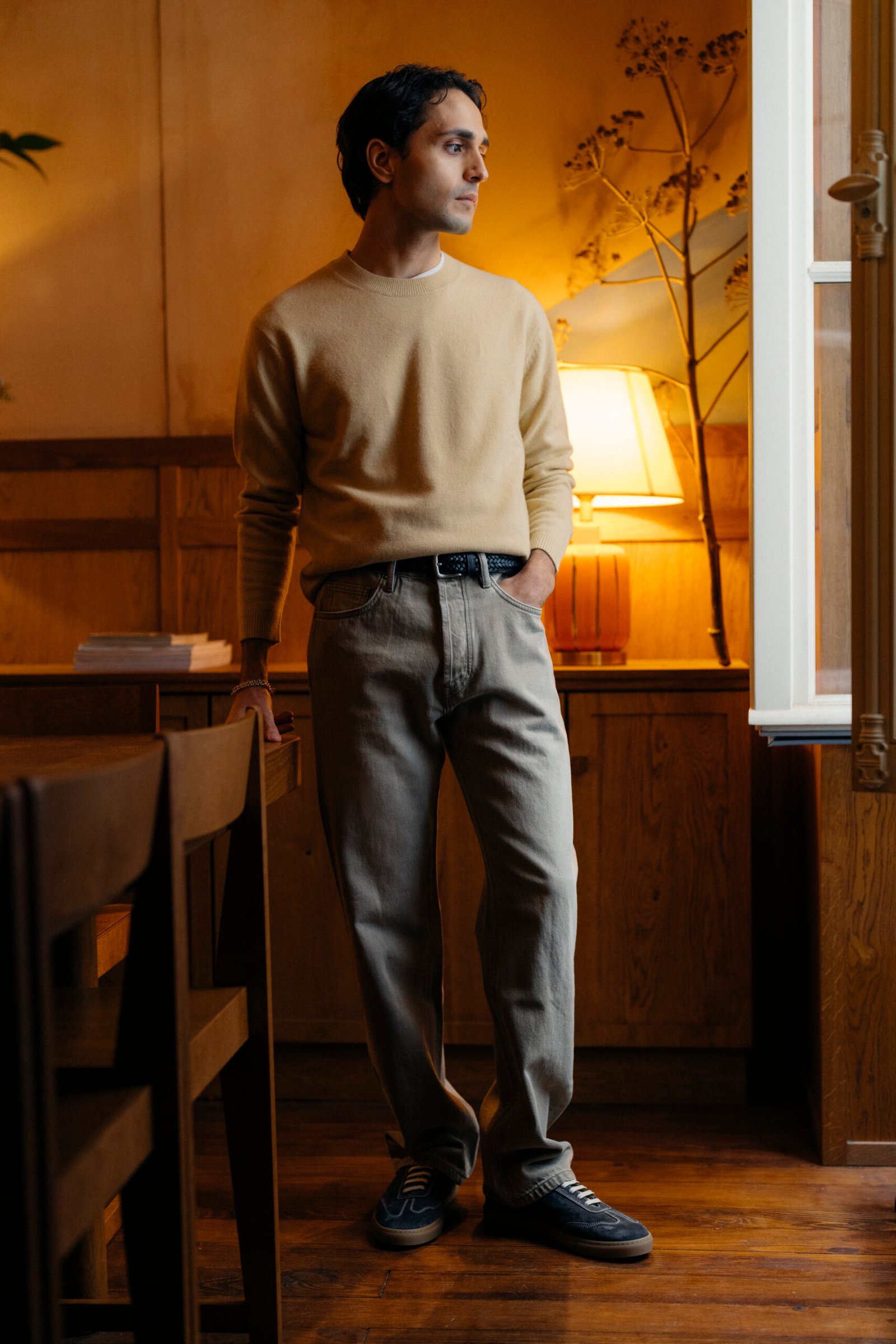
I believe that it is that we have stayed very true to ourselves and we’ve been very authentic, which clearly shows in our products. I’d like to think we are leaders when it comes to creating products at the intersection of elegance and casual, and that our customers feel that we offer something different in terms of quality and fit.
How have you grown the brand in the last 12 years?
I guess it could be summarised by saying slowly and deliberately. We have no external financing, so we’ve had to take things slow and be careful and selective. We started out selling only through our own channels, then gradually started adding wholesale. But it has always been very organic.
The sales split now is roughly 50/50 between our own channels and wholesale. We believe wholesale is a great way to reach more volume as well as a way of broadening the reach of the brand.
What key UK retailers sell CQP?
In the UK, our biggest partner is Trunk Clothiers, a fantastic store we’ve worked closely with for a very long time. Internationally, we work with Todd Snyder, Bloomingdale’s, Harvey Nichols and Care of Carl, to mention a few. While we of course want growth, we prefer a few strong and long-term quality partnerships over quantity.
Who is your target market?
I would say a typical customer is 25-55 with a decent financial situation, an interest in clothing and an eagerness to find something everybody else doesn’t have.
What brands would you say are your closest competitors?
In terms of quality, finish and craftsmanship, brands such as Tod’s, Loro Piana and Brunello Cucinelli are what we compete with, at a more attractive price point. But CQP is probably slightly younger, sportier and fresher than those brands.
You have just launched the ‘Stillo’ sneaker in time for the World Cup. How well has that been received and what’s special about it?
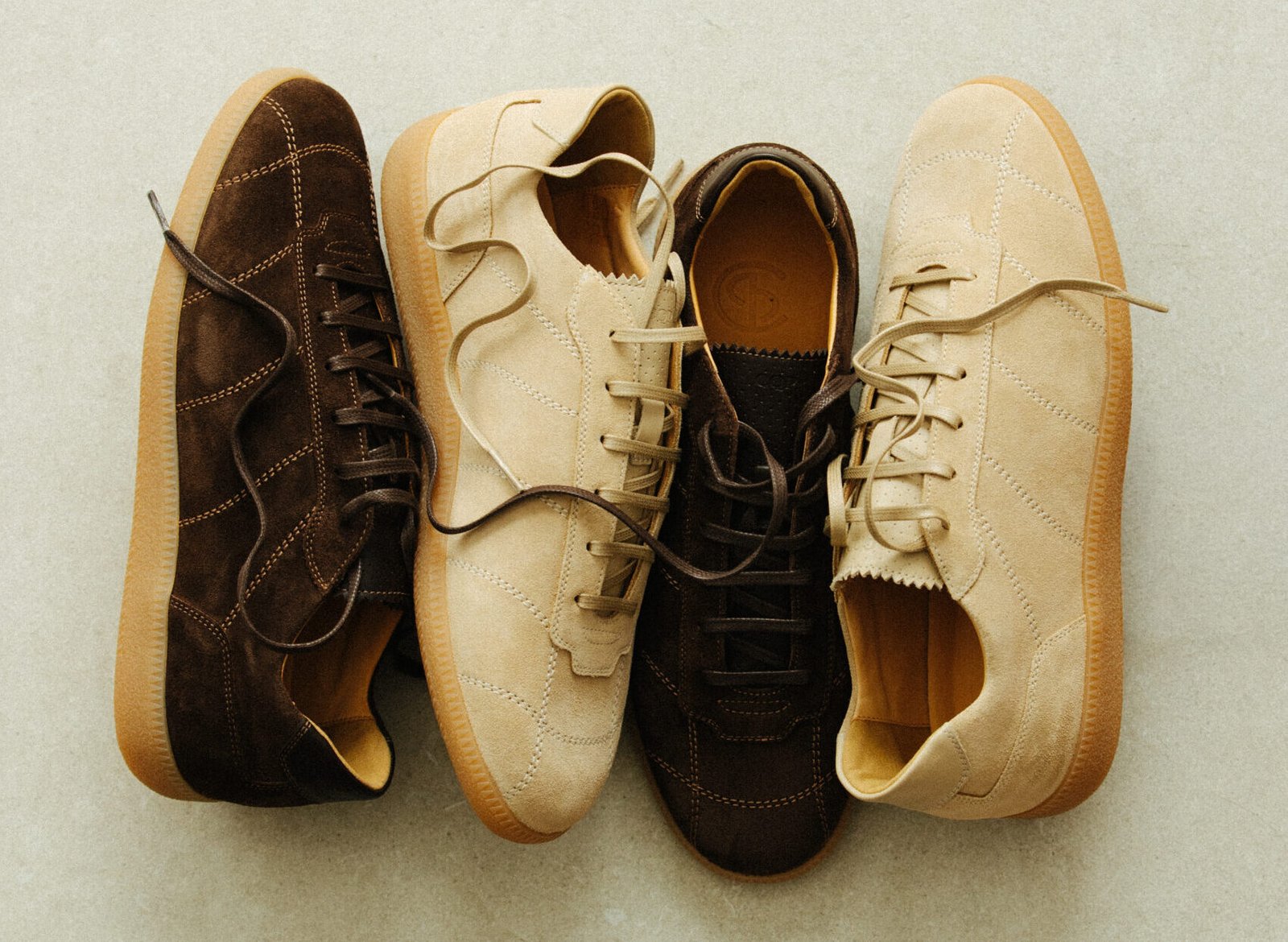
It seems as if it was planned, but in fact it wasn’t. The timing is good though, of course! It’s one of the sleeker styles we have made, and we believe it really stands out. The inspiration came from my first pair of football boots I got in the late 80s, before synthetic materials took over and when stitching and other details contributed to the actual performance of a shoe. So far, it seems those who have bought the Stillo absolutely love it, as do we.
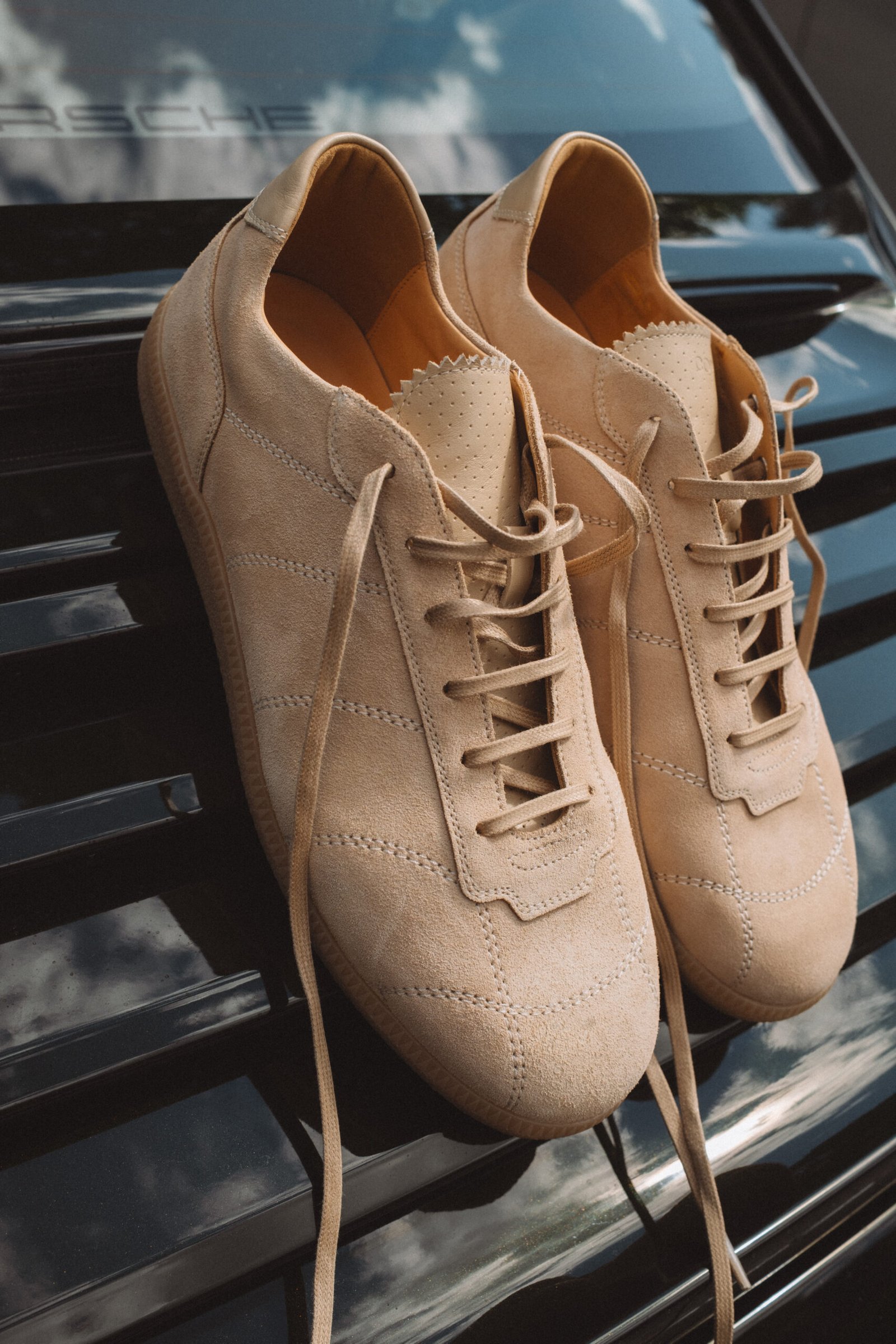
Somewhat unknowingly, I keep finding inspiration for our products from memories from my youth, so much of what I come up with in one way or another reflects a feeling or perhaps an activity from when I was a kid. I was very active, did all sorts of sports and, although I was never good at it, I played some football and fondly remember the first boots I got as a gift. The Stillo brings back some of those details. They are a refined balance of heritage, performance and modern style, handmade in Portugal from Italian leather and suede.
Are your customers happy to pay £370 for a pair of sneakers? How do you justify the price?
The price is actually comparatively low when luxury sneakers retail for closer to £500 and above. We don’t compromise on anything when selecting materials and crafting our products. Our customers are generally interested in craftsmanship and quality. They appreciate that our products are actually good value for money. First-time buyers might ask questions, of course, but once they try our products, they feel the difference.
Do you have any stores or plans to open any?
We have a small showroom/store in Stockholm, which we’ve had from the start. In the future, I think having a store in London would be great.
Where are your strongest markets and where are you hoping to grow the most going forward?
Our strongest markets, except our home market of Sweden, are the UK and US. These are big markets with many affluent individuals who appreciate our aesthetics and products. Germany is another strong market. I’d say we are currently growing the strongest in the US and, based on the size of that market, we have a long way to go there.
What are your best-selling styles of footwear?
It depends on the season, but one of our absolute top sellers is the unlined classic ‘Racquet’ style. It’s been around for about 10 years, but it’s an absolute classic and a must in any menswear wardrobe. It’s extremely soft and a perfect ‘barefoot’ summer sneaker.
Are you looking at introducing new product categories going forward?
We’ve released various clothing collaborations over the years and, who knows, we might extend our offering in the future. The most recent thing we did was a limited run of custom jackets from Golden Bear, and before that we offered a selection of products from brands such as P. Johnson and Rowing Blazers, under the concept of ‘CQP Selects’.
We currently have a small assortment of accessories, but we are very focused on footwear, so a natural step for us would be to introduce more leather goods.
How do you intend to grow the brand in the next two years and beyond?
We have a very strong core following, but we are still small and unknown, and it’s challenging and expensive today to broaden our audience. We feel confident that we have fantastic products and we will just keep working on our omni-channel strategy, alongside continuously improving all aspects of our business. Our home market is small, and we need to keep growing abroad, hopefully through more retail partnerships as well as DTC growth.
Does social media play a big part in getting your brand ‘out there’?
Yes, it does, and it has done over the years. That said, Instagram, which is still our most important channel, was very different a decade ago and it was easier to break through organically. So many brands are competing for people’s attention nowadays with more content than ever, in no small part thanks to AI, so it’s getting expensive to reach out and I believe people are a bit fatigued. For us, what we feel at the moment is that we need to keep being authentic in our channels, stay true to ourselves and maintain a feeling of quality.
Do you use influencers or brand ambassadors?
We have actually done very little with influencers over the years, partly because of the sometimes questionable cost/benefit ratio and partly because we don’t really think our products are well suited for it. We find that our best ambassadors are our customers, and we do our best to take extremely good care of them.