

![Highlights from TheIndustry.fashion Summit: Fashion [Un]Bound](https://eastbaytimes.org/wp-content/uploads/2026/10/F-120-scaled-1.jpg "[Aggregator] Downloaded image for imported item #49643")
This post was originally published on this site.
TheIndustry.fashion’s second summit brought together leading figures from across fashion and retail for a day of networking, industry insights and strategic discussion.
Under the theme ‘Fashion [Un]Bound’, a dynamic programme of panel discussions, keynote interviews and expert presentations explored the trends, challenges and opportunities shaping the future of fashion retail. Attendees from brands and retailers, including John Lewis, SKIMS, TFG Brands, Boden, Charles Tyrwhitt, Harrods, Mulberry, Levi Strauss & Co., Mint Velvet, Debenhams Group, Radley, Barbour, Reformation, Slaters, Primark and H&M, came together to gain fresh perspectives and inspiration to support their business strategies.
Held at The Forum in Leadenhall, London, the summit was hosted in partnership with logistics specialist Bleckmann, with sponsorship from StoryStream, Aptos and MarkMe. The event provided a valuable platform for industry leaders to share expertise, discuss emerging trends and build meaningful connections across the sector.
The speaker line-up featured influential voices from across the industry, including representatives from H&M, ALIGNE, Toast, Cubitts, Superdry, The Couture Club, Rise & Fall, Albaray, SOJO, The Handbag Clinic and Jigsaw, alongside renowned retail commentator Mary Portas. Together, they offered a range of perspectives on the ideas and developments shaping fashion’s next chapter.
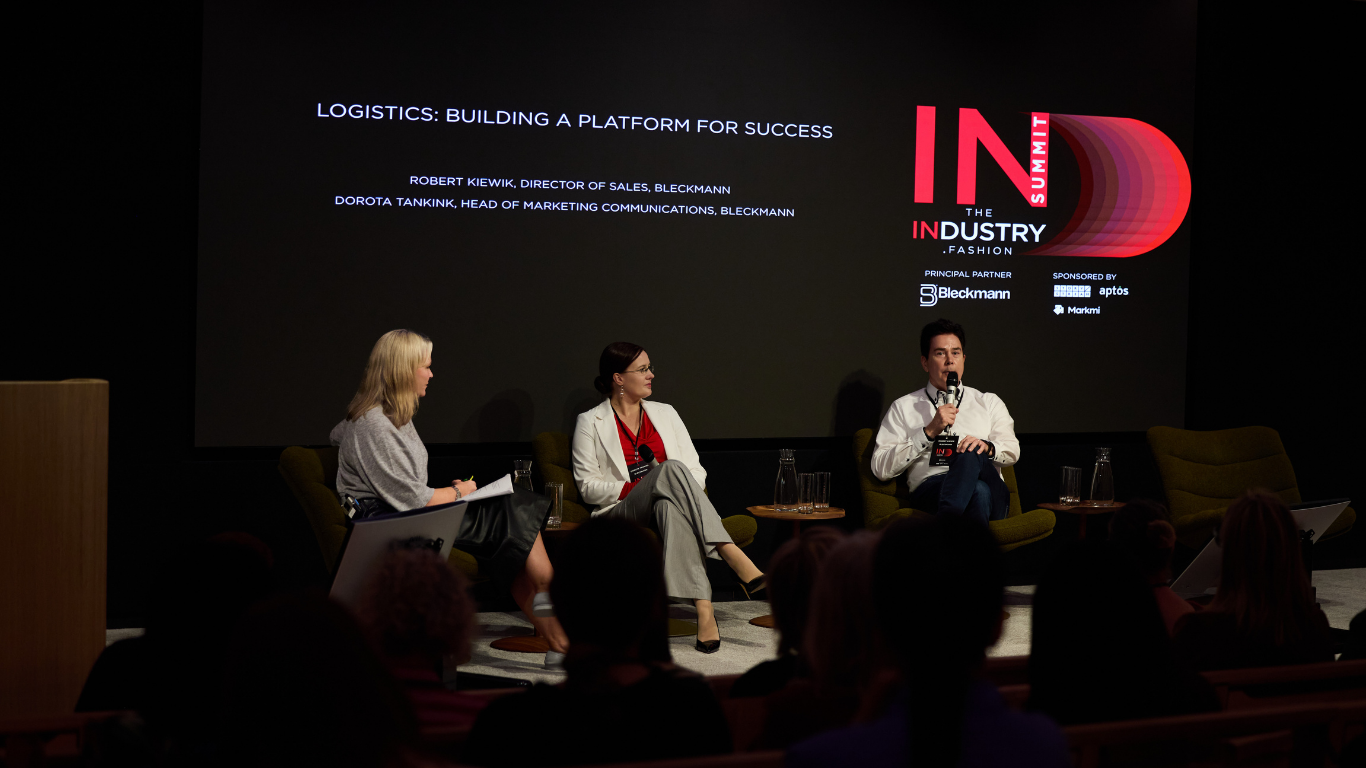
Logistics: Building a Platform for Success
Opening the summit, principal partner and logistics specialist Bleckmann led a session featuring Robert Kiewik, Director of Sales, and Dorota Tankink, Head of Marketing Communications. Blending industry insights with an interactive audience survey, the session explored the key challenges and emerging opportunities shaping the future of fashion logistics.
Key takeaways:
– International and UK growth emerged as joint top strategic priorities for 2027, each accounting for 40% of responses in the audience poll. Adopting or expanding circular business models was cited by 9% of respondents, while 6% identified rebranding or repositioning as their main priority.
– Physical retail ranked as the leading priority channel, ahead of direct-to-consumer (DTC) and e-commerce, followed by marketplaces. However, Bleckmann noted that marketplaces accounted for a significant share of its enquiries, highlighting continued interest in the channel.
– In-store service levels were generally rated positively by attendees, while online services received a more mixed response, with brands and retailers expressing lower levels of satisfaction with the customer experience across their digital channels.
– Attendees identified slow returns and refunds as the biggest customer complaints, followed by inflexible delivery options and stock availability. “Being a consumer while working in logistics gives me a different perspective and makes me a much more critical consumer,” Tankink said, citing an experience in which an expensive pair of shoes arrived damaged and returning them incurred an additional cost.
– When asked to identify their main internal operational priorities, respondents ranked efficiency first, followed by growth, strategy, stock management and personalisation. Kiewik emphasised that improving efficiency must start with data. “Everyone wants to facilitate growth, but efficiency starts with sitting down with clients, reviewing the data, and identifying where improvements can be made,” he said.
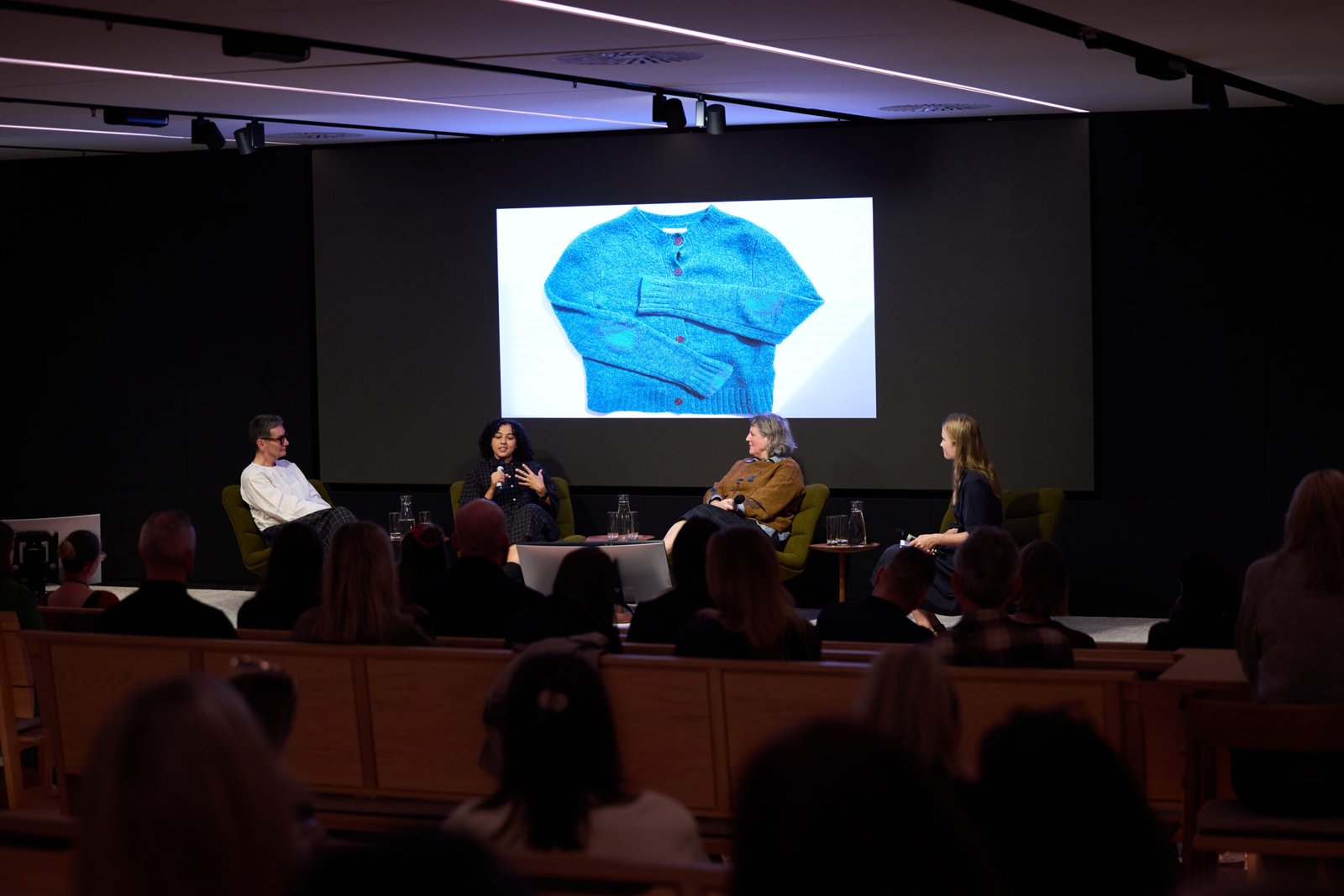
Circular Creativity: Redefining the Value of Objects
In the second session, our writer Camilla Rydzek led a discussion with Suzie de Rohan Willner, CEO of Toast; Kay Clark, Repair Specialist at Toast; and Hannah Refaat, artist and designer. The conversation explored the importance of longevity in fashion, a principle that both the brand and the designer have long championed through their respective practices.
Key takeaways:
– Toast places longevity at the heart of its design philosophy, investing in craftsmanship and production techniques that ensure its garments stand the test of time. The brand also offers free repairs, helping customers extend the life of their clothing. “Our circular approach is absolutely critical to both us and our customers. Repair is one part of this, alongside a menu of circular services and offerings that we make available to our global community,” said de Rohan Willner.
– The session explored wider issues within the clothing industry, highlighting the disconnect between what people know about clothing and how it is made. “It’s important not just to talk about what I do and how I do it, but to understand the entire process and the wider industry, including waste, the circular economy, and what we offer to help keep products in use for longer,” said Clark.
– The discussion also challenged conventional ideas about garment repair. “Repair can involve a wide range of techniques. The aim is not simply to mend a garment, but to elevate it and make it even more special. It’s a truly unique service,” Clark explained, adding, “I can’t resist something that is completely trashed.”
– This philosophy was echoed by Refaat, whose approach embraces imperfections rather than concealing them. “If there are faults, I like to highlight them rather than conceal them, which reflects the same ethos as Toast. Reusing and recycling fabrics is central to this approach,” she revealed.
From Niche to Necessity – How Pre-loved and Repair is Powering Growth
Repair and resale are moving beyond the sustainability conversation to deliver commercial returns, from recovering revenue on damaged stock to bringing customers back to spend more. That was the key message from this session on repair and resale, which brought together Josephine Philips, founder and CEO of clothing alterations and repairs platform SOJO, and Charlotte Staerck, co-founder and CEO of handbag repair and resale specialist The Handbag Clinic.
Key takeaways:
– Repair is now a P&L conversation rather than an ethical one, said Philips. “As a brand or retailer you’ve got a whole load of garments that have stains or a loose button, and that’s lost revenue. Repair allows you to get it fixed for less than 5% of RRP and then sold at full price – it’s a mathematical, CFO-signed-off solution,” she noted.
– Circular services can also drive spending and customer loyalty and ensures that they have a reason to return to the brand, Philips noted. “It’s making sure your very important clients have that touchpoint after the point of sale,” explained.
– Resale can also support retailers’ wider sales. “Brands see now that there is a place for resale, that it’s complementary,” said Staerck. She also noted how The Handbag Clinic’s buyback scheme, which issues Selfridges vouchers for traded-in bags and accessories, has generated more than £3 million of revenue for the department store, with customers typically spending three times the voucher value on the same day.
– On scaling repair, Philips highlighted how SOJO invests in upskilling its workforce and its efforts to standardise repair options, which ensure tailors know what customers expect. Staerck added that training staff to perform around 90% of The Handbag Clinic’s services takes about three years, but the business retains that expertise: “70% of my workforce in our clinic have been with me for over a decade”.
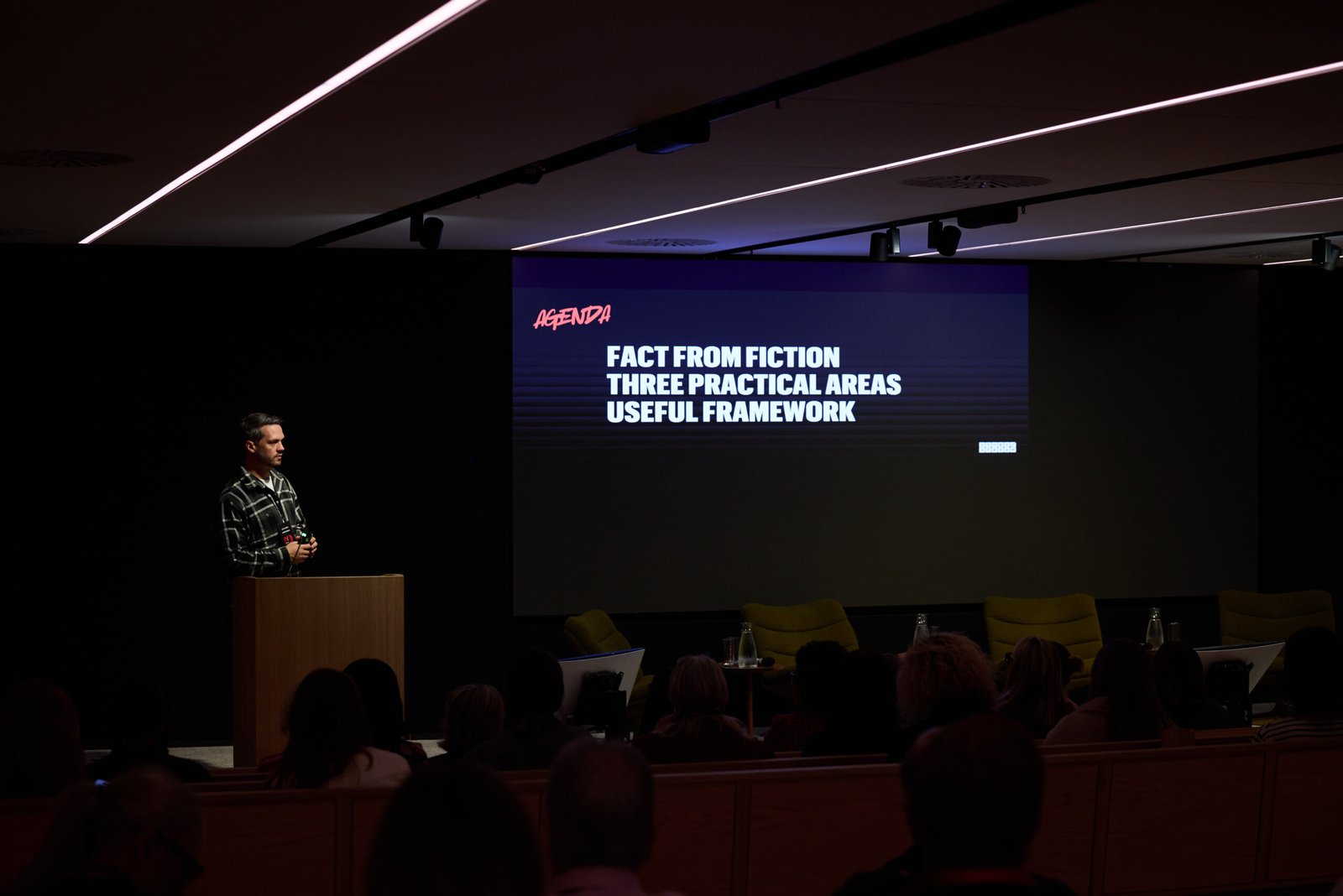
Beyond the Hype: Practical AI for Ecommerce
AI shoppable content platform and summit sponsor StoryStream led the next session. Its founder and CEO, Alex Vaidya, explored why strong data and content foundations are essential to using AI effectively, and how storytelling can help brands retain their distinctive identity. StoryStream uses AI to build product discovery experiences around visual content such as video, user-generated content and social media, and already counts Boden, Primark, Barbour and ASOS among its clients.
Key takeaways:
– For Vaidya, his biggest advice to brands and retailers is to build the foundations first, before scaling AI investment. “Don’t worry too much about huge swings yet. Think about your data, how consumers can find you, how you structure your content. Find problems that you can solve with AI that are measurable, quantifiable and that you have the data for, and then test and learn and iterate quickly on those,” he explained.
– He also explained how today, brands need to make their digital content work for two audiences: shoppers and AI agents. The challenge is to create content that work for AI agents, without losing what makes the brand distinctive. “The role of content storytelling is only growing in importance and not diminishing,” he noted.
– One of the ways StoryStream can help brands and retailers to grow their storytelling is through its newly launched AI shop-the-look tool. This indexes a retailer’s full catalogue and tunes the results to the brand’s stylists and merchandising team. Vadiya noted how Primark’s application of the tool has seen order value rise by more than 5%. Vaidya called it a “great example where using AI, you’ve been able to solve an existing problem with a known benefit, scale it, and then see the positive impacts in the data.”
– The session also highlighted the need for brands to adapt product content to shoppers’ questions, rather than just keywords, as AI makes discovery more conversational. “GEO engine optimisation is bit like going into one of your stores on the high street. You don’t just go in and say:, ‘jeans, blue, size 34’. You go to a sales assistant and say ‘I’m going on holiday, do you have anything suitable?” Vadiya explained. “It’s a much more human experience and that’s really what you, as a brand or retailer, want to be setting up the foundations for.”
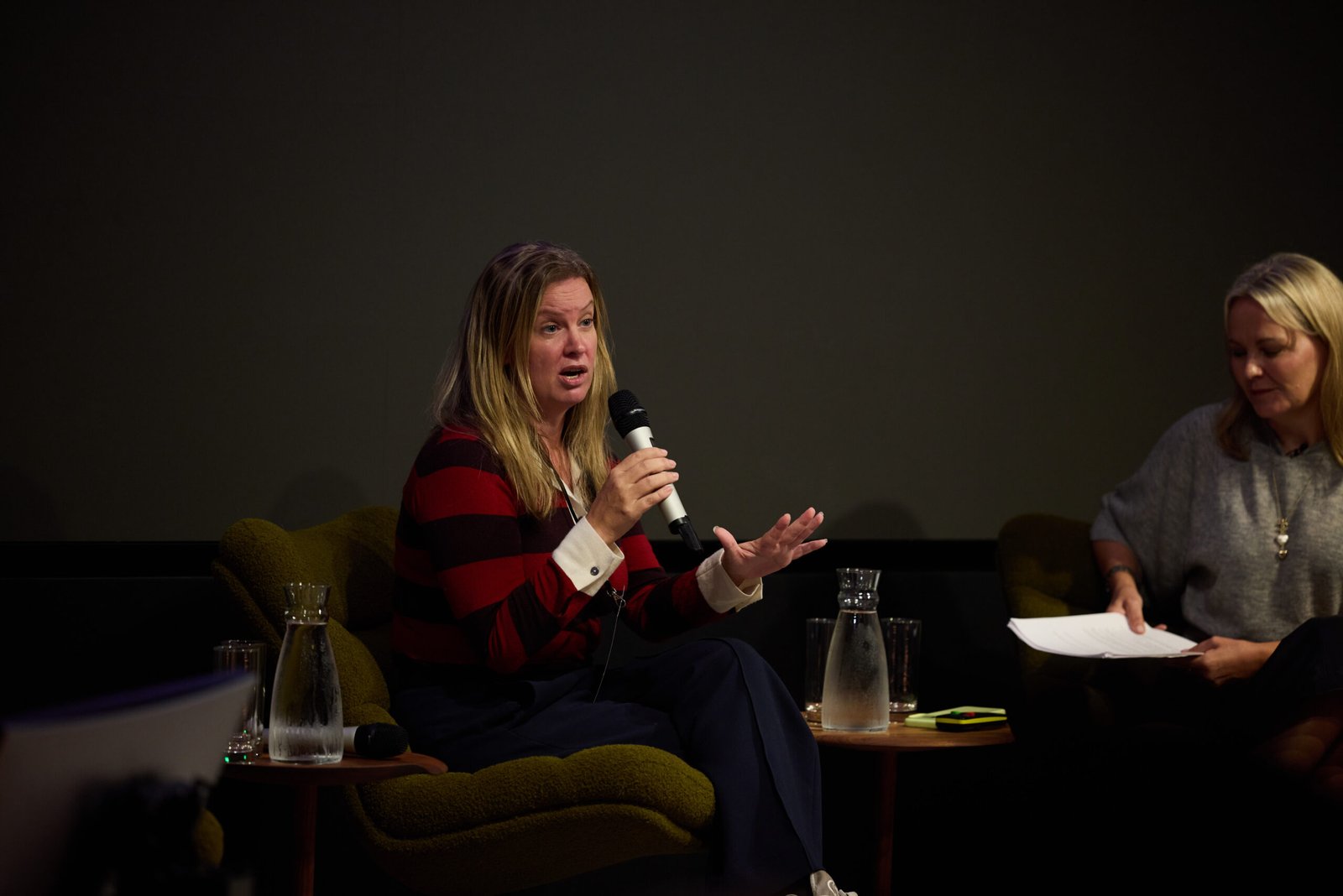
Modern heritage: The evolution of Jigsaw
In a session exploring the evolution of Jigsaw, Managing Director Tikki Godley shared how the British fashion brand is building on its heritage while reconnecting with customers and attracting a new generation. From refining its product offering to reinvigorating the in-store experience, the discussion highlighted how incremental changes, a renewed sense of creativity and a commitment to customer service are helping shape the brand’s next chapter.
Key takeaways:
– Godley explained that the priority is to bring Jigsaw back into the spotlight by refocusing on the brand’s core strengths. “The brand is strong, the name is well known and people remember it,” she said. “It has always had loyal customers and wants to retain them, but it also needs to attract new ones. There is a strong focus on customer acquisition, as well as appealing to a slightly younger audience.”
– As part of Jigsaw’s transformation, Godley is focused on refining every aspect of the business, from product and design to marketing and the supply chain. “The foundations are there. It’s about making small, incremental changes that add up to something much bigger. Sharpening the product and design, having some fun, and bringing a sense of joy back to fashion,” she added.
– Service and the in-store experience were highlighted as key pillars of brand-building and customer loyalty. From an inviting store environment and attentive service to compelling products, Godley said every touchpoint plays a role in creating a positive experience that keeps customers coming back.
– She also championed the importance of the high street, emphasising the need to create memorable in-store experiences that leave customers feeling valued, eager to recommend the brand to others, and encouraged to revisit and spend more on the high street.
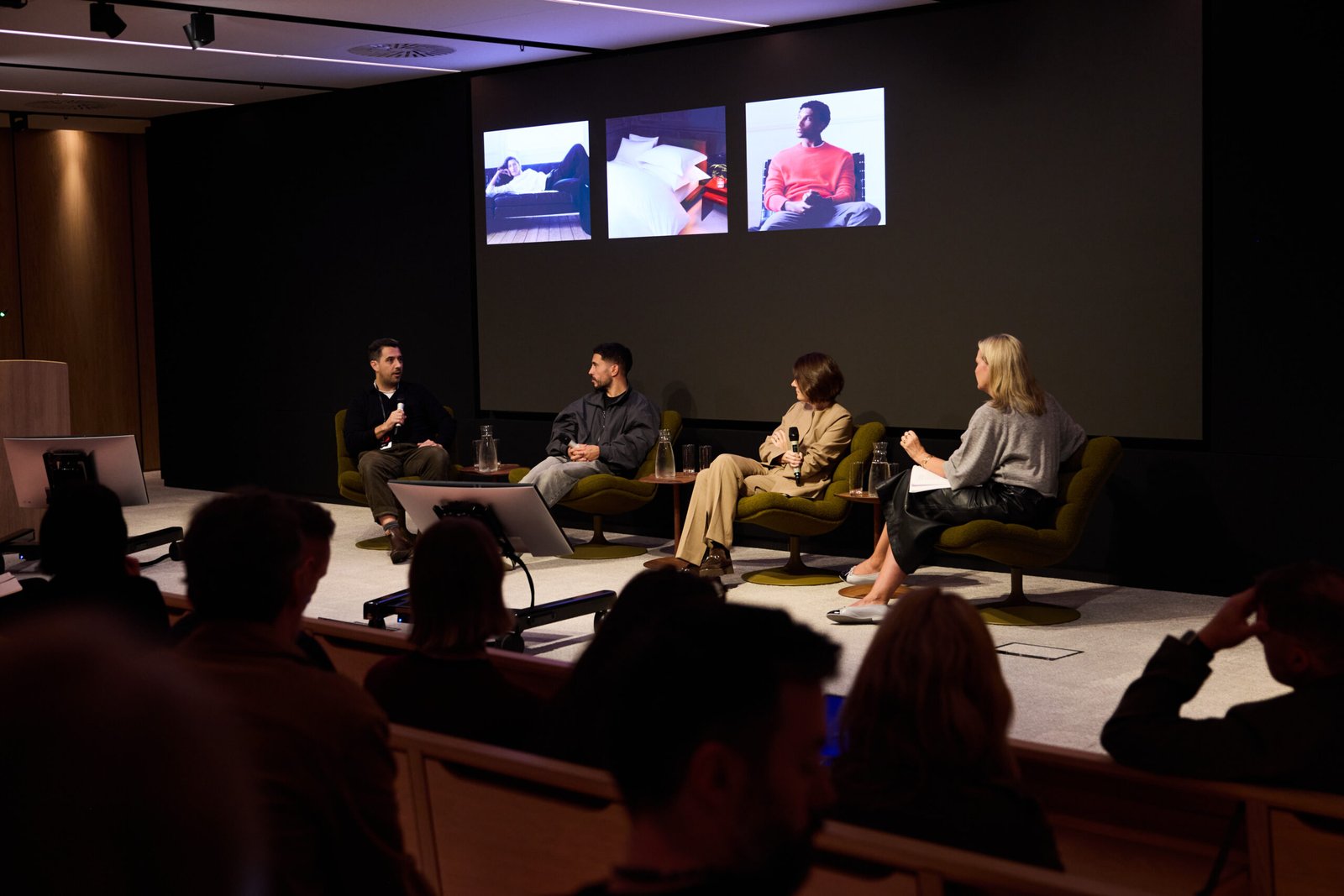
Flipping the Script: What Fashion Can Learn From a New Generation of Distruptors
Growing brands are using wholesale for discovery rather than revenue, protecting their pricing and keeping tight control of where their product ends up. That was the shared message of a panel, which brought together ALIGNE CEO Ginny Seymour, The Couture Club Owner and Managing Director Scott Shashua, and Rise & Fall co-founder Will Coulton.
Key takeaways:
– ALIGNE is keeping its product offer focused, releasing only 20 styles a month. “We’re not trying to solve everything for everyone,” said CEO Ginny Seymour. She also shared that when she joined the brand, she made sure to exit wholesale so ALIGNE could establish its own customer base. Now the brand is cautiously returning to wholesale through US stockists and, more recently, John Lewis and Anthropologie in the UK. “I don’t see wholesale as a revenue channel, I think of it as more about that brand validation, that brand discovery,” she said.
– The Couture Club’s Scott Shashua reflected how the brand’s prioritisation of longevity over rapid distribution growth has helped it stay in business over more than 10 years. “We turned down quite a lot of money early on from brands to go into their stores, because we always wanted to keep a tight control of the brand,” Shashua noted. That is also the reason that the brand pivoted to less logo-driven styles that define the brand today.
– Rise & Fall is taking a flexible, demand-led approach to growth, with materials at the heart of its proposition. Working with specialist makers, the brand aims to deliver higher quality at accessible prices through its DTC model. “We try as much as possible to order small runs, see what lands, and then act quickly,” said co-founder Will Coulton. He also reflected on exploring wholesale to build awareness, which he described as the brand’s biggest constraint at the moment.
– On the upcoming Autumn Budget, restoring business and consumer confidence was the priority for Coulton and Seymour. Coulton called for “businesses to have confidence so that they can invest”, while Seymour stressed the importance of rebuilding consumer confidence. Shashua highlighted the cost of trading with the EU: The Couture Club is approaching the point where holding separate EU stock would be cheaper than paying duty.
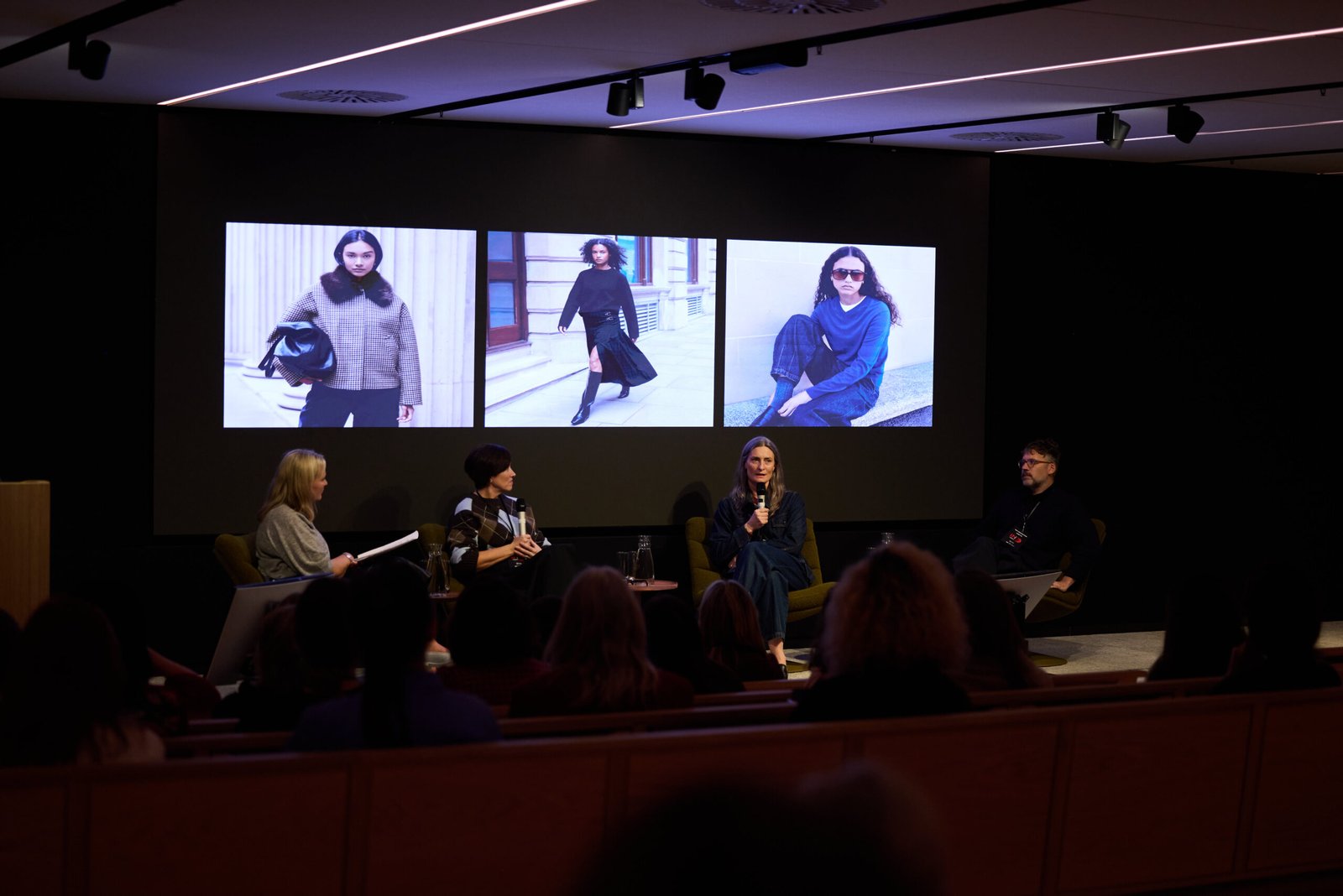
Creativity and conscience: Building new British brand icons
Following a networking lunch, Tom Broughton, CEO of Cubitts, joined Kirstie Di Stazio, Chief Commercial Officer at Albaray, and Karen Peacock, Chief Creative Officer at Albaray, to explore what it takes to build distinctive British brands, from cultivating a clear creative identity and staying true to brand values to navigating growth, retail expansion and customer engagement.
Key takeaways:
– Broughton traced Cubitts’ journey from its founding to its current retail footprint. Following a pivotal fundraising round that helped secure the business’s future, the brand opened its first store in 2014 and has since grown to 20 locations, including 18 in the UK and two in New York City. His advice to aspiring retailers is simple: “If you’re opening a store, keep it simple. You cannot underestimate the power of simplicity. Hire the right people to deliver the best possible experience.”
– Founded in 2021 by former Warehouse executives Paula Stewart, Karen Peacock and Kirstie Di Stazio, Albaray brings together their extensive industry experience and a personal approach to design. “When you start a brand, it has to be quite personal. If I like it, hopefully others will too. You combine that with commercial knowledge and market insights, then pour your passion into the brand,” said Peacock.
– However, Di Stazio highlighted the steep learning curve involved in launching a brand and the importance of learning from others. “We had to roll up our sleeves and get involved in every aspect of the business. Friends and industry contacts were incredibly generous with their time and advice, which made a real difference. We’re keen to offer that same support to others,” she said.
– Di Stazio also emphasised the importance of Albaray’s digital-first, direct-to-consumer (DTC) model, which remains at the heart of the business. Alongside its own channels, the brand works with retailers including John Lewis, NEXT and M&S to broaden its reach and build brand awareness. She stressed the importance of balancing growth through its own digital platforms with the opportunities offered by wholesale partnerships.
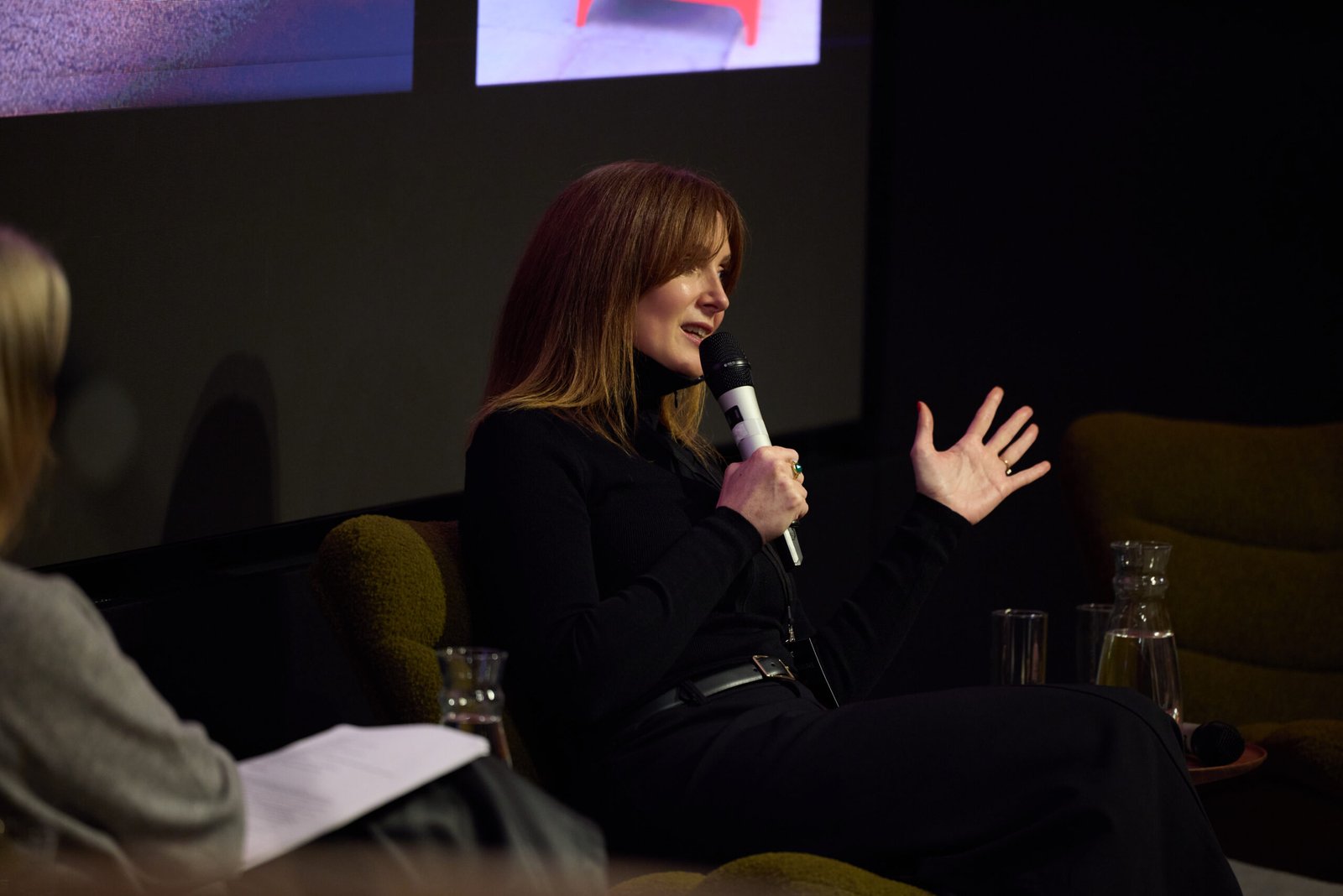
H&M: How the global giant is captivating a UK audience with culture, collaboration and curated stores
Karen O’Rourke, joined H&M 26 years ago as a store visual merchandiser and is now Managing Director of H&M UK and Ireland. In her session she reflected on the incredible history of the retailer in the UK market, which recently celebrated its 50th anniversary, and today spans nearly 200 stores across the region. She also discussed the brand’s return to the London Fashion Week schedule and what the business needs from the Budget to keep investing on the high street.
Key takeaways:
– While H&M’s digital store remains its biggest, it’s the brand’s physical stores that are at the core of its strategy, said O’Rourke, as they are places for creating human connection and bring the brand to life. She highlighted that investment in physical retail cannot be limited to iconic sites such as its Oxford Circus. “I think we want to continue to invest in our local high streets, retail parks, shopping centres, because it’s important for us as a brand, but it’s also important for the economy. It’s important for jobs,” she said.
– Speaking on technology in store, O’Rourke highlighted that it should make shopping more convenient for today’s time-starved customers, and while giving staff more freedom to act as style advisers. She specifically highlighted the impact of RFID self-checkouts, which she called “a game changer in terms of efficiency gains.”
– Culture and collaboration remain central to H&M’s purpose of “liberating fashion for the many”. O’Rourke described its target audience as fashion-interested women and men, emphasising personal style over trends and encouraging customers to dress to express their personality. The brand also returned to London Fashion Week in September. “It’s really important for us to show up at these moments,” O’Rourke said. “Doing something like this, being at London Fashion Week, tapping into that aspiration, but also making it relatable and within reach for the average customer is super important.”
– On the Budget, O’Rourke called for measures that lift consumer confidence, “and also policies that can enable us to continue to invest in our stores, in our people”. H&M employs 7,000 people in the UK. She warned that “with policies coming, it can make it harder to invest in more locations.”
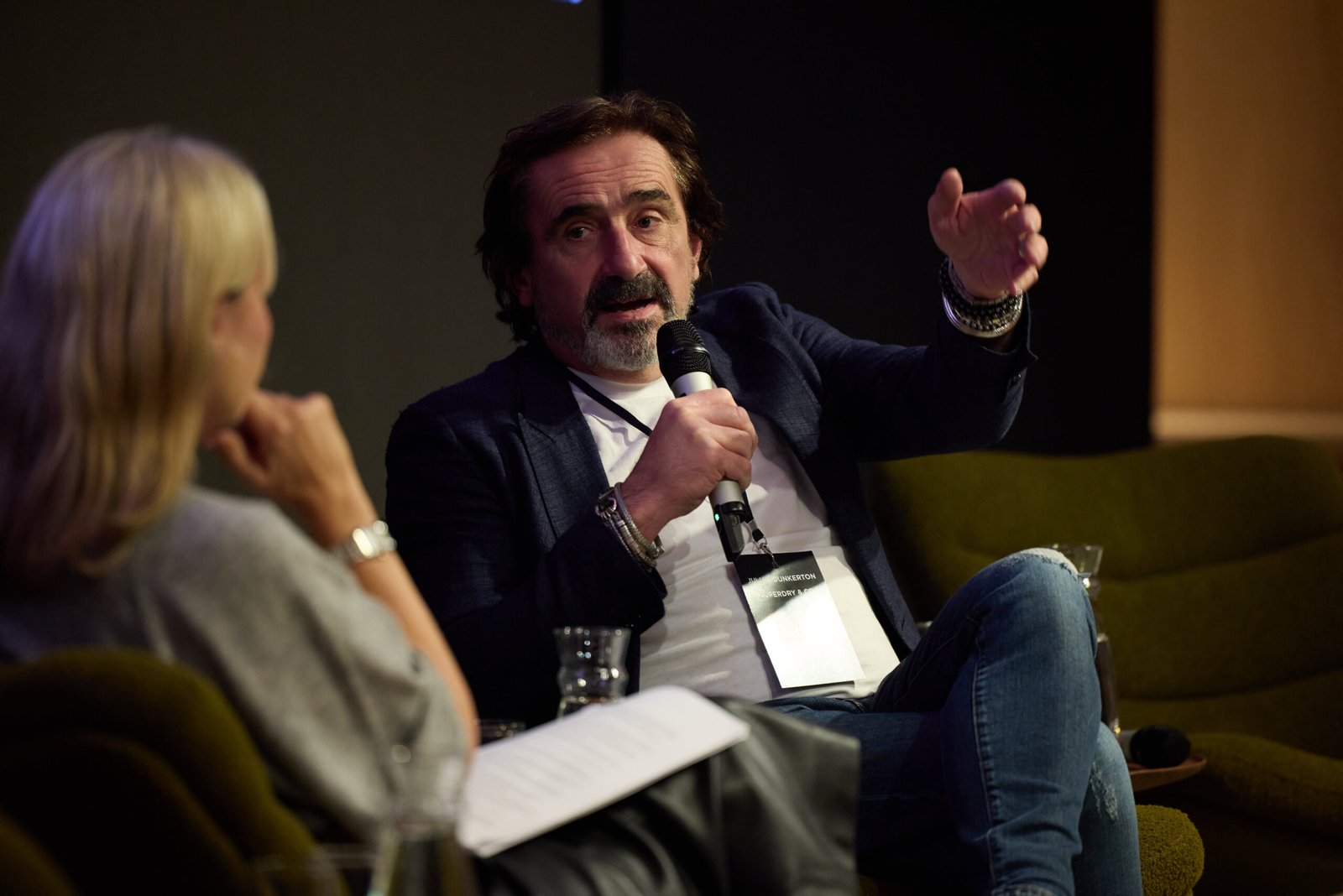
Superdry & Co: The Reinvention of a British Fashion Powerhouse
For the penulimate session of the day, Superdry founder and CEO Julien Dunkerton captured the audiences attention in a discusstion centred on the reinvetion of the British fashion giant and its focus on a younger consumer.
Key takeaways:
– “I’m as excited now as I was 20 years ago,” Dunkerton shared, pointing to a renewed interest in Superdry among younger consumers, including teenagers. Platforms such as Vinted have become a valuable source of insight, revealing which pieces remain in demand, with some reselling at higher prices. These trends have reinforced his confidence in the brand’s direction and helped identify popular designs that could be brought back.
– Reflecting on his departure from the business and subsequent return in 2019, Dunkerton explained that he could not walk away from a brand he had spent decades building, even as it faced a period of struggle. “I couldn’t let it go. Emotionally, the business, its employees and everything I had built represented the first 40 years of my life. Watching it take all the wrong turns was tough,” he said.
– Today, Dunkerton remains focused on the brand’s future, with a clear ambition to reach £750 million in revenue within the next five years. Confident in his vision and committed to seeing it through, he said: “I know where I’m going and what I’m doing. I don’t intend to leave.”
– Dunkerton identified the renewed focus on womenswear as the most significant change in the business. Over the past 18 months, the brand has prioritised understanding younger female consumers and developing products that resonate with their tastes, a strategy he said has delivered strong results. The next step is to apply this approach to menswear.
– He also outlined its multi-brand retail concept, built around Superdry and complemented by eight to 10 brands, so far including Bench, Stand and Kappa. The ambition is to create an exciting, distinctive retail environment that fills a gap in the current market. “The desire for fashion is there,” he concluded.
A New Blueprint for Purpose-led Retail
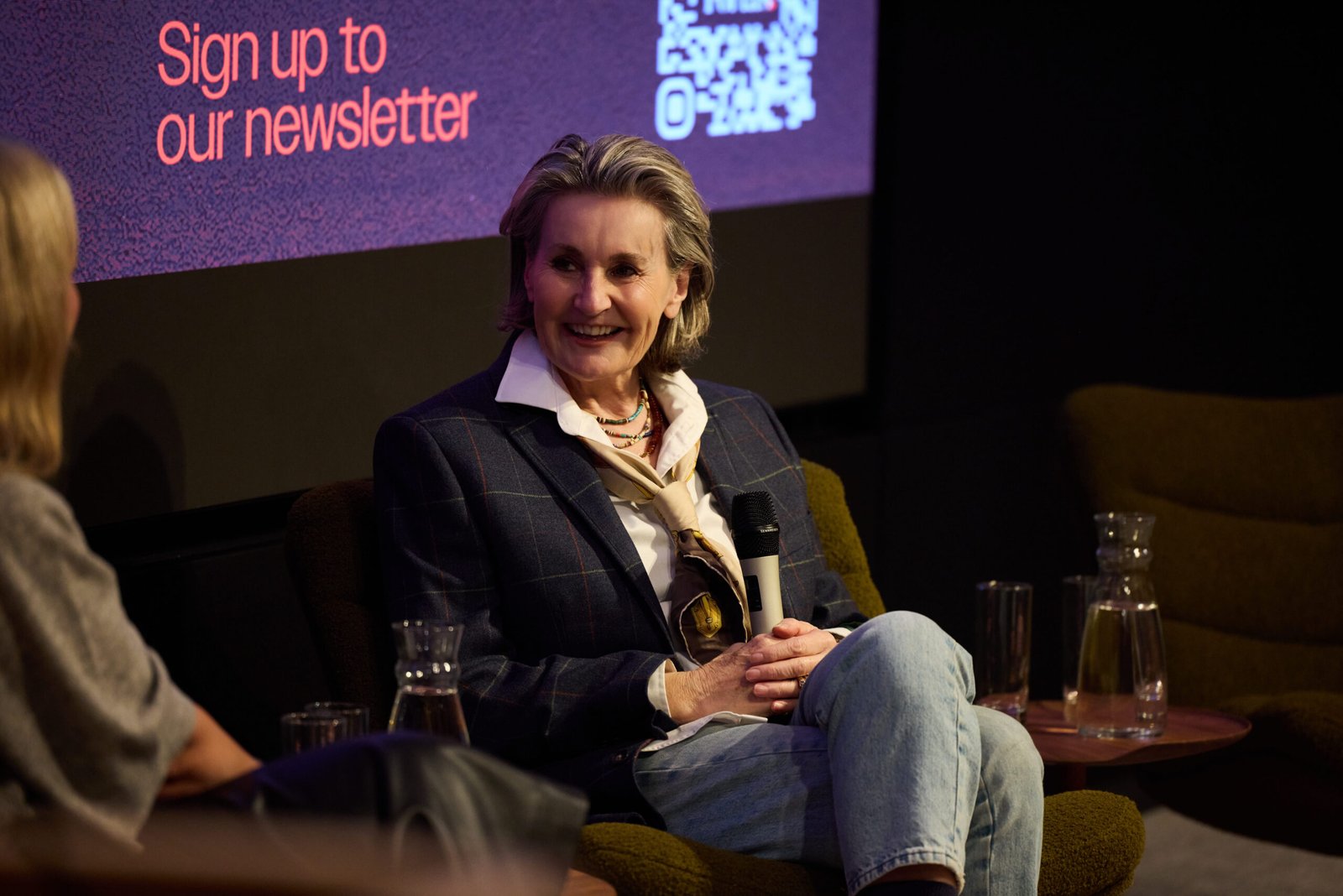
Mary Portas closed the day with a keynote interview, arguing that retail has been run on data, speed and price for too long and that the businesses that last will be the ones willing to take creative risks again. The retail expert, author, activist and founder of Portas Consultancy also reflected on a career that took her from display manager at Topshop’s Oxford Circus store at 25 to running creative at Harvey Nichols, and to her achievements today.
Key takeaways:
– Portas described her approach to creating retail spaces that people wanted to hang out in all day: “I never saw myself as in the retail business. I saw myself as in creating magic, and then the byproduct was you sold.” For Portas retail is still incredible important to consumers today, and she predicted that it will stay this way: “I will bet you we will see more physical supporting digital instead of the other way around.”
– She was also critical of data-led management “I think we believed that we had to talk the language of data and analysis… but we actually forgot about people and how they were feeling, what inspires them.” She also highlighted how important it is for a brand to “hold on to its distinctiveness,” and she urged businesses to focus on nurturing the creativity of their employees.
– Ports also spoke about the launch of her initiative ‘the Society of Shopkeepers’, which is soon launching on Substack. In future she looks to develop this into a full platform with workshops, tutorials and cultural insights that she said would be “very opinionated”.
– On politics, Portas criticised the “triple whammy” on businesses from National Insurance and the minimum wage, saying it hit small businesses particularly. “I just hope the Government realises that a lot of the regeneration of our high streets is going to be around smaller businesses and giving opportunities to them,” she said.